

Low Hot Water Pressure in Cardiff? When It’s a Boiler Issue (Not Plumbing)
Low hot water pressure isn’t always a plumbing issue, in many Cardiff homes, it can point to underlying boiler faults that need proper diagnosis and repair.

Why you can trust our content
We understand that the boiler industry can be confusing, with plenty of outdated or misleading information. That’s why we rely only on trusted, proven sources to guide our advice and installations:

At a glance
Low hot water pressure can be frustrating. Whether it is a weak shower or a slow-filling bath, it often disrupts daily routines more than you might expect. Many homeowners assume the issue lies with their plumbing, but that is not always the case.
In reality, your boiler plays a key role in delivering consistent hot water pressure. If something is not working as it should, the problem may sit within the heating system itself rather than the pipes. Understanding the difference can save time, money, and unnecessary disruption.
If you are unsure where the issue lies, it can help to speak to a professional early on. You can contact our team at MPH Trades for guidance or to arrange a system check.
Could your boiler be causing low hot water pressure?
Yes, it absolutely can.
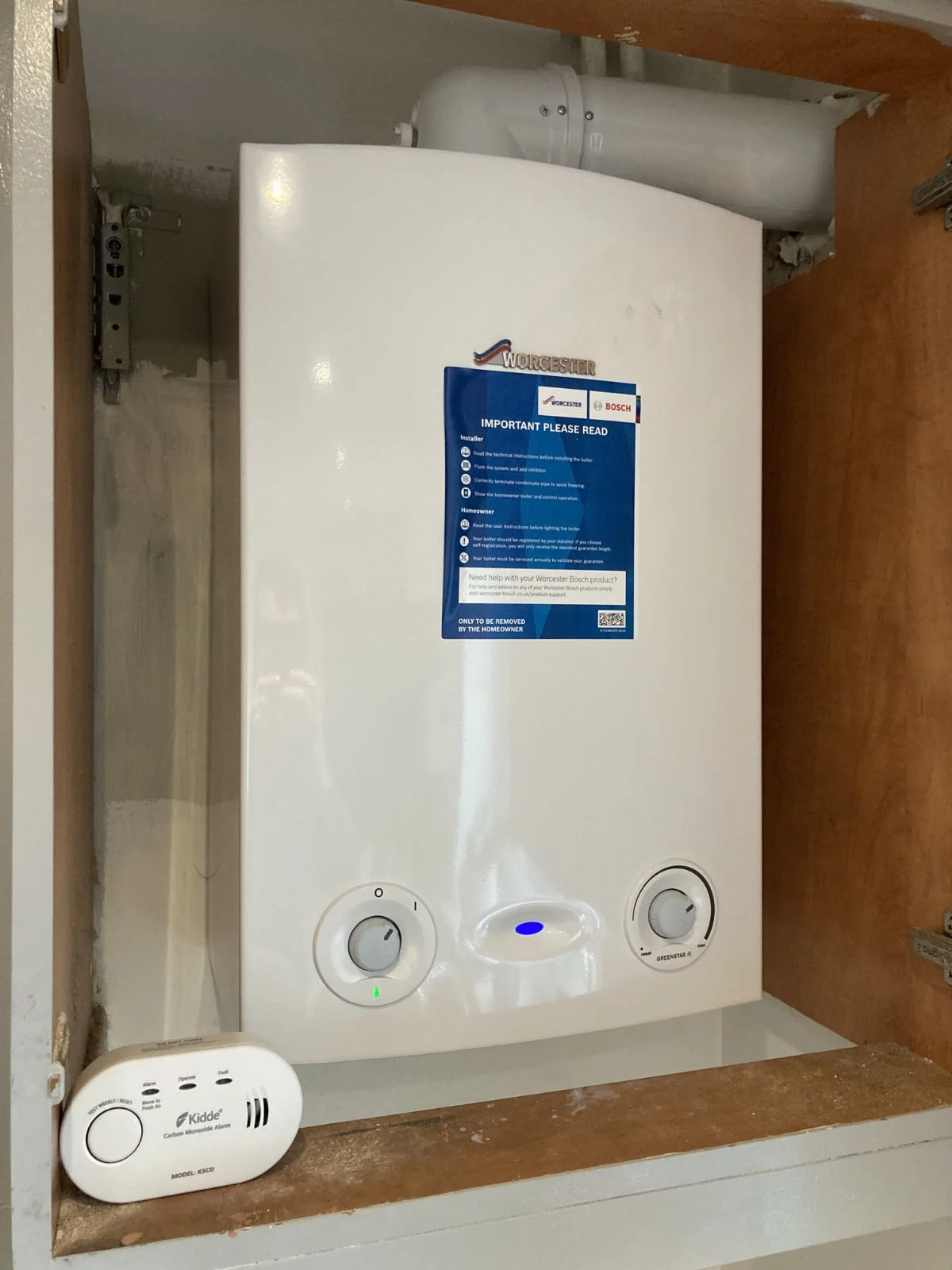
Modern boilers, particularly combi systems, are responsible for both heating and hot water supply. If internal components are worn, blocked, or incorrectly set, the pressure at your taps can drop noticeably.
Unlike plumbing issues, which tend to affect all water flow, boiler-related problems usually impact hot water only. This is one of the clearest signs that the issue originates from the heating system.
Common boiler-related causes of low pressure
Several boiler faults can reduce hot water pressure. Some are minor and easy to fix, while others require professional attention.
Here are some of the most common causes:
- Limescale build-up – Especially common in hard water areas, this can restrict flow within the heat exchanger
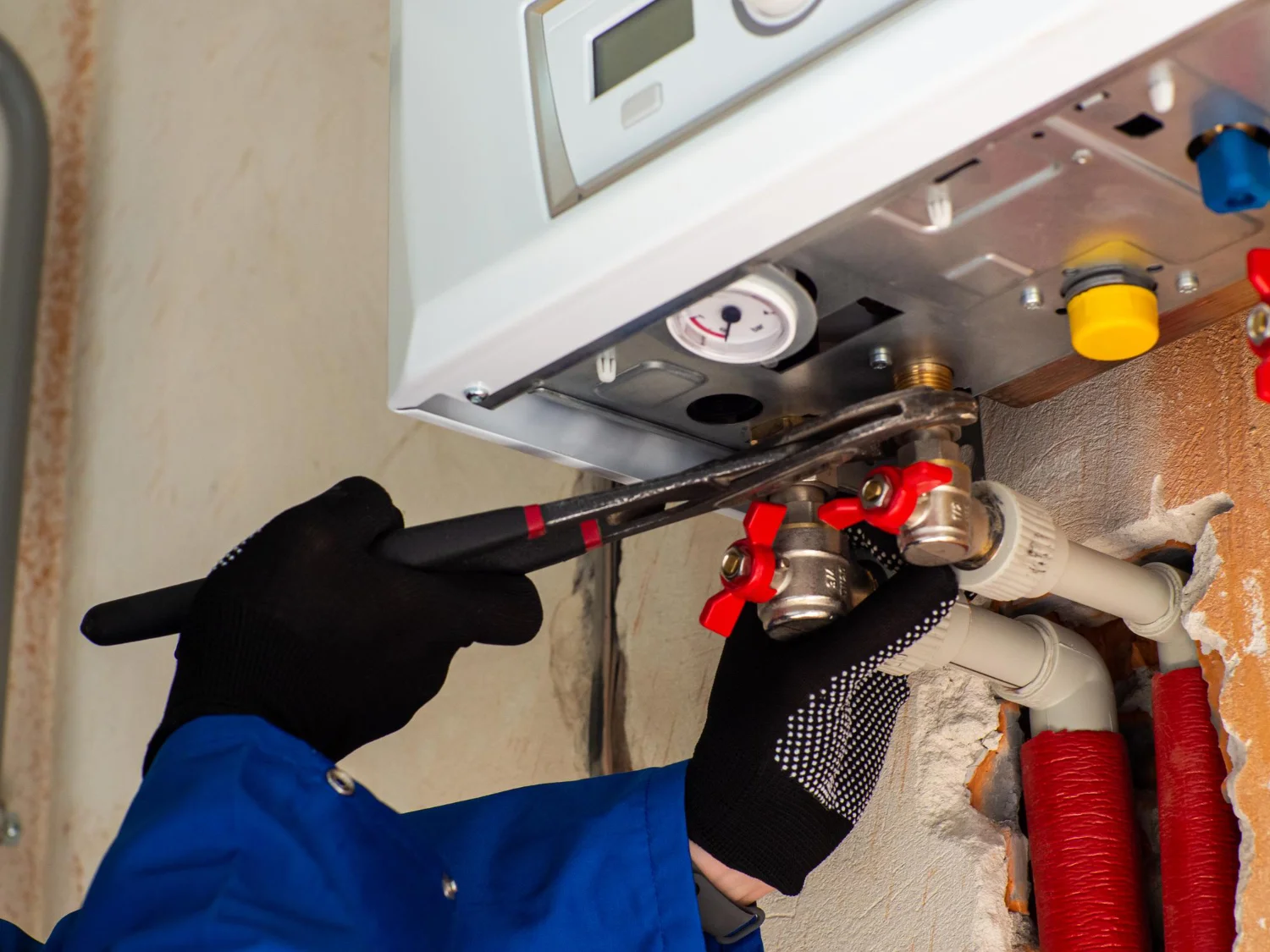
- Partially closed valves – Isolation valves near the boiler may not be fully open
- Faulty diverter valve – This component directs hot water to taps and can fail over time
- Blocked plate heat exchanger – Debris and sludge can restrict water movement
- Low system pressure – Boilers rely on correct pressure levels to function properly
If left unresolved, these issues can worsen and lead to more complex faults that require a full boiler repair.
How do you know it is not a plumbing issue?
It is important to rule out general plumbing problems before focusing on the boiler.
Signs it is likely a plumbing issue:
- Both hot and cold water pressures are low
- Multiple taps across the property are affected equally
- Pressure fluctuates regardless of heating use
Signs it is likely a boiler issue:
- Only the hot water pressure is low
- Cold water runs normally
- Pressure drops when the boiler is in use
This distinction helps narrow down the cause quickly and avoids unnecessary work on pipework that may be functioning perfectly well.
Let’s get started, Which fuel powers your boiler?
Mains Gas
LPG
It just takes 60 Sec
And then you can book a free consultation
What happens inside the boiler when the pressure drops?
Boilers rely on a balanced flow of water through internal components. When this flow is disrupted, pressure at the tap is affected.
| Component | Role in Pressure | Common Issue |
| Heat exchanger | Transfers heat to water | Limescale blockage |
| Diverter valve | Directs water to taps or heating | Sticking or failure |
| Pump | Circulates water through system | Reduced efficiency |
| Pressure relief valve | Maintains safe pressure levels | Leaks or incorrect operation |
When one of these parts underperforms, the system cannot maintain consistent output. This often leads to noticeable drops in hot water pressure.
Should you attempt to fix it yourself?
In most cases, no.
While it may be tempting to investigate, boilers are complex systems that require specialist knowledge. Adjusting the wrong component or opening sealed parts can cause further damage or even safety risks.
However, there are a few safe checks you can carry out:
- Ensure isolation valves are fully open
- Check the boiler pressure gauge
- Look for visible leaks around the unit
If the issue persists, it is best to arrange a professional boiler repair to diagnose the problem accurately.
If you would like a clear diagnosis, you can book a service with our team and get expert advice tailored to your system.
Why do combi boilers often show this problem?
Combi boilers are efficient and space-saving, but they are more sensitive to flow issues.
Because they heat water on demand, any restriction inside the system directly affects pressure at the tap. Even minor blockages or component wear can have an immediate impact.
In contrast, traditional systems with tanks may mask pressure issues for longer, as stored hot water can still flow even if the boiler is underperforming.
A typical Cardiff scenario
A homeowner in Cardiff noticed their shower pressure dropping gradually over several weeks. Cold water remained strong, but hot water became inconsistent.
Initially, they suspected a blocked pipe. However, after inspection, the issue was traced back to limescale build-up within the boiler’s heat exchanger.
Once professionally cleaned and adjusted, the hot water pressure returned to normal without any plumbing changes.
This type of situation is quite common, particularly in areas with harder water, where internal boiler components can accumulate scale over time.
Can low pressure damage your boiler over time?
Yes, it can contribute to further wear.
When the system struggles to maintain pressure, components such as the pump and heat exchanger may work harder than intended. This can lead to:
- Reduced efficiency
- Increased energy usage
- Higher likelihood of breakdowns
Addressing the issue early can help extend the lifespan of your system and avoid more costly repairs later.
When should you call a professional?
You should consider expert help if:
- The issue has persisted for more than a few days
- You notice unusual noises from the boiler
- The pressure gauge frequently drops
- Hot water performance continues to worsen
These signs often indicate a deeper issue that requires proper tools and experience to resolve safely.
A qualified engineer can identify whether a simple adjustment is needed or if a more involved boiler repair is required.
Preventing low hot water pressure in the future
Regular maintenance is the most effective way to prevent pressure issues.
Simple steps include:
- Annual boiler servicing
- System flushing where necessary
- Monitoring pressure levels periodically
- Addressing minor faults early
Preventative care not only improves performance but also helps maintain consistent hot water throughout your home.
FAQs
Why is my hot water pressure low, but cold water is fine?
This usually indicates a boiler-related issue rather than plumbing. Internal components, such as the heat exchanger or diverter valve, may be restricting flow.
Can limescale affect hot water pressure?
Yes, limescale can build up inside the boiler and reduce water flow, leading to lower pressure at taps and showers.
Is low pressure always a serious problem?
Not always, but it should not be ignored. Minor issues can develop into larger faults if left unresolved.
How quickly can the issue be fixed?
It depends on the cause. Some issues can be resolved in a single visit, while others may require parts replacement.
Book a Boiler Check for Low Hot Water Pressure Today
Low hot water pressure is not always a plumbing problem. In many cases, the boiler itself is responsible, especially when cold water pressure remains unaffected. Understanding the difference helps you take the right steps quickly and avoid unnecessary disruption.
If you are experiencing ongoing issues, a professional assessment can provide clarity and peace of mind. Speak to MPH Trades today to arrange a check and restore your hot water performance with confidence.
Related articles
Let’s get started, Which fuel powers your boiler?
Mains Gas
LPG
At a glance
Low hot water pressure can be frustrating. Whether it is a weak shower or a slow-filling bath, it often disrupts daily routines more than you might expect. Many homeowners assume the issue lies with their plumbing, but that is not always the case.
In reality, your boiler plays a key role in delivering consistent hot water pressure. If something is not working as it should, the problem may sit within the heating system itself rather than the pipes. Understanding the difference can save time, money, and unnecessary disruption.
If you are unsure where the issue lies, it can help to speak to a professional early on. You can contact our team at MPH Trades for guidance or to arrange a system check.
Could your boiler be causing low hot water pressure?
Yes, it absolutely can.
Modern boilers, particularly combi systems, are responsible for both heating and hot water supply. If internal components are worn, blocked, or incorrectly set, the pressure at your taps can drop noticeably.
Unlike plumbing issues, which tend to affect all water flow, boiler-related problems usually impact hot water only. This is one of the clearest signs that the issue originates from the heating system.
Common boiler-related causes of low pressure
Several boiler faults can reduce hot water pressure. Some are minor and easy to fix, while others require professional attention.
Here are some of the most common causes:
- Limescale build-up – Especially common in hard water areas, this can restrict flow within the heat exchanger
- Partially closed valves – Isolation valves near the boiler may not be fully open
- Faulty diverter valve – This component directs hot water to taps and can fail over time
- Blocked plate heat exchanger – Debris and sludge can restrict water movement
- Low system pressure – Boilers rely on correct pressure levels to function properly
If left unresolved, these issues can worsen and lead to more complex faults that require a full boiler repair.
How do you know it is not a plumbing issue?
It is important to rule out general plumbing problems before focusing on the boiler.
Signs it is likely a plumbing issue:
- Both hot and cold water pressures are low
- Multiple taps across the property are affected equally
- Pressure fluctuates regardless of heating use
Signs it is likely a boiler issue:
- Only the hot water pressure is low
- Cold water runs normally
- Pressure drops when the boiler is in use
This distinction helps narrow down the cause quickly and avoids unnecessary work on pipework that may be functioning perfectly well.
Let’s get started, Which fuel powers your boiler?
Mains Gas
LPG
It just takes 60 Sec
And then you can book a free consultation
What happens inside the boiler when the pressure drops?
Boilers rely on a balanced flow of water through internal components. When this flow is disrupted, pressure at the tap is affected.
| Component | Role in Pressure | Common Issue |
| Heat exchanger | Transfers heat to water | Limescale blockage |
| Diverter valve | Directs water to taps or heating | Sticking or failure |
| Pump | Circulates water through system | Reduced efficiency |
| Pressure relief valve | Maintains safe pressure levels | Leaks or incorrect operation |
When one of these parts underperforms, the system cannot maintain consistent output. This often leads to noticeable drops in hot water pressure.
Should you attempt to fix it yourself?
In most cases, no.
While it may be tempting to investigate, boilers are complex systems that require specialist knowledge. Adjusting the wrong component or opening sealed parts can cause further damage or even safety risks.
However, there are a few safe checks you can carry out:
- Ensure isolation valves are fully open
- Check the boiler pressure gauge
- Look for visible leaks around the unit
If the issue persists, it is best to arrange a professional boiler repair to diagnose the problem accurately.
If you would like a clear diagnosis, you can book a service with our team and get expert advice tailored to your system.
Why do combi boilers often show this problem?
Combi boilers are efficient and space-saving, but they are more sensitive to flow issues.
Because they heat water on demand, any restriction inside the system directly affects pressure at the tap. Even minor blockages or component wear can have an immediate impact.
In contrast, traditional systems with tanks may mask pressure issues for longer, as stored hot water can still flow even if the boiler is underperforming.
A typical Cardiff scenario
A homeowner in Cardiff noticed their shower pressure dropping gradually over several weeks. Cold water remained strong, but hot water became inconsistent.
Initially, they suspected a blocked pipe. However, after inspection, the issue was traced back to limescale build-up within the boiler’s heat exchanger.
Once professionally cleaned and adjusted, the hot water pressure returned to normal without any plumbing changes.
This type of situation is quite common, particularly in areas with harder water, where internal boiler components can accumulate scale over time.
Can low pressure damage your boiler over time?
Yes, it can contribute to further wear.
When the system struggles to maintain pressure, components such as the pump and heat exchanger may work harder than intended. This can lead to:
- Reduced efficiency
- Increased energy usage
- Higher likelihood of breakdowns
Addressing the issue early can help extend the lifespan of your system and avoid more costly repairs later.
When should you call a professional?
You should consider expert help if:
- The issue has persisted for more than a few days
- You notice unusual noises from the boiler
- The pressure gauge frequently drops
- Hot water performance continues to worsen
These signs often indicate a deeper issue that requires proper tools and experience to resolve safely.
A qualified engineer can identify whether a simple adjustment is needed or if a more involved boiler repair is required.
Preventing low hot water pressure in the future
Regular maintenance is the most effective way to prevent pressure issues.
Simple steps include:
- Annual boiler servicing
- System flushing where necessary
- Monitoring pressure levels periodically
- Addressing minor faults early
Preventative care not only improves performance but also helps maintain consistent hot water throughout your home.
FAQs
Why is my hot water pressure low, but cold water is fine?
This usually indicates a boiler-related issue rather than plumbing. Internal components, such as the heat exchanger or diverter valve, may be restricting flow.
Can limescale affect hot water pressure?
Yes, limescale can build up inside the boiler and reduce water flow, leading to lower pressure at taps and showers.
Is low pressure always a serious problem?
Not always, but it should not be ignored. Minor issues can develop into larger faults if left unresolved.
How quickly can the issue be fixed?
It depends on the cause. Some issues can be resolved in a single visit, while others may require parts replacement.
Book a Boiler Check for Low Hot Water Pressure Today
Low hot water pressure is not always a plumbing problem. In many cases, the boiler itself is responsible, especially when cold water pressure remains unaffected. Understanding the difference helps you take the right steps quickly and avoid unnecessary disruption.
If you are experiencing ongoing issues, a professional assessment can provide clarity and peace of mind. Speak to MPH Trades today to arrange a check and restore your hot water performance with confidence.
Related articles
Address
Office Location:
376 Newport Road
Cardiff
CF23 9AE
The content on this website is owned by us and our licensors. Do not copy the content (including images) without our consent.
MPH INSTALLATIONS LTD (MPH PLUMBING & HEATING) is an Introducer Appointed Representative (Financial Services Register No. 916214) of Phoenix Financial Consultants Limited (Phoenix). Phoenix is a credit broker, not a lender. Phoenix is authorised and regulated by the Financial Conduct Authority (FRN: 539195), and offers finance from its panel of lenders. All finance subject to status and credit checks.

Powered by We Build Trades © 2026
Amout of credit
£0.00
Monthly
£0.00
Total payable
£0.00
Interest (fixed)
£0.00
APR
-