

Boiler Losing Pressure: Cardiff Causes and Safe Next Steps
Boiler pressure loss in Cardiff homes can signal a range of issues, from minor leaks to internal faults, understanding the cause helps you take safe and effective next steps.

Why you can trust our content
We understand that the boiler industry can be confusing, with plenty of outdated or misleading information. That’s why we rely only on trusted, proven sources to guide our advice and installations:

At a glance
A boiler that keeps losing pressure is more than just a minor inconvenience. It can affect your heating, reduce hot water performance, and leave your home feeling uncomfortable, especially during colder periods.
While it might seem like a complex issue, pressure loss is actually one of the most common boiler problems homeowners experience. The key is understanding what is causing it and knowing which steps are safe to take yourself.
If the issue keeps returning, it is always worth getting a professional opinion early. You can contact our team at MPH Trades for advice or to arrange a system check.
Why does boiler pressure matter?
Boiler pressure ensures that hot water can circulate effectively through your heating system. Without the right pressure, radiators may not heat properly, and hot water delivery can become inconsistent.
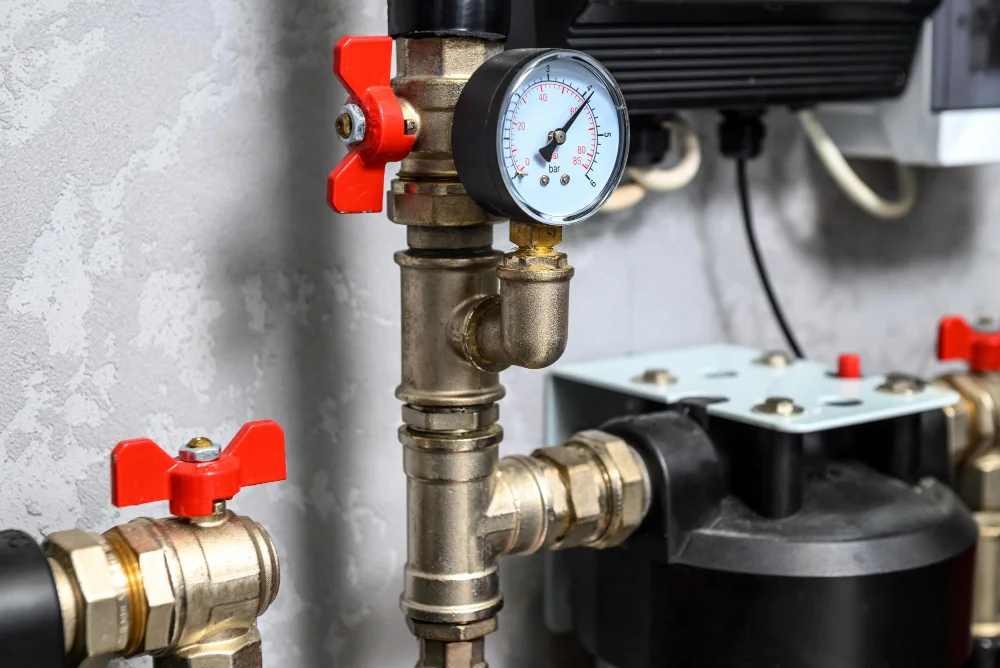
Most modern boilers operate best within a pressure range of around 1 to 1.5 bar when cold. If the pressure drops below this, the system may struggle to function efficiently or even shut down completely.
What causes a boiler to lose pressure?
There are several possible reasons, and some are easier to spot than others.
Common causes include:
- Leaks in the system – Even a small leak in a radiator, pipe, or valve can gradually reduce pressure
- Bleeding radiators – Releasing trapped air lowers system pressure if not topped up afterwards
- Faulty pressure relief valve – This may release water unnecessarily
- Worn seals or components – Internal parts can degrade over time
- Recent system work – Pressure often drops after maintenance if not properly adjusted
If you find yourself repeatedly topping up your boiler, it is likely that one of these issues is present and may require a professional boiler repair.
How can you safely check for pressure loss?
Before calling an engineer, there are a few basic checks you can carry out safely.
Step-by-step checks:
- Look at the pressure gauge
Check whether the reading is below 1 bar - Inspect visible pipework and radiators
Look for damp patches, drips, or corrosion - Check around the boiler
Any signs of water underneath may indicate a leak - Confirm recent work
If radiators were bled or serviced, pressure may simply need topping up
These checks can help you identify obvious issues without interfering with the boiler itself.
Is it safe to repressurise your boiler?
In many cases, yes, but only if you follow the correct procedure.
Most modern systems have a filling loop that allows you to safely increase pressure. However, it is important not to overfill, as this can cause further issues.
Safe repressurising tips:
- Only top up to the recommended pressure (usually 1 to 1.5 bar)
- Turn the boiler off before starting
- Close the filling loop securely afterwards
If you find that pressure drops again shortly after topping up, this usually indicates a deeper problem that requires attention.
Let’s get started, Which fuel powers your boiler?
Mains Gas
LPG
It just takes 60 Sec
And then you can book a free consultation
When should you call an engineer?
If the issue persists, it is best not to delay.
Warning signs include:
- Pressure drops frequently or rapidly
- You notice water leaks, but cannot locate the source
- The boiler shuts down or displays error codes
- Radiators are not heating evenly
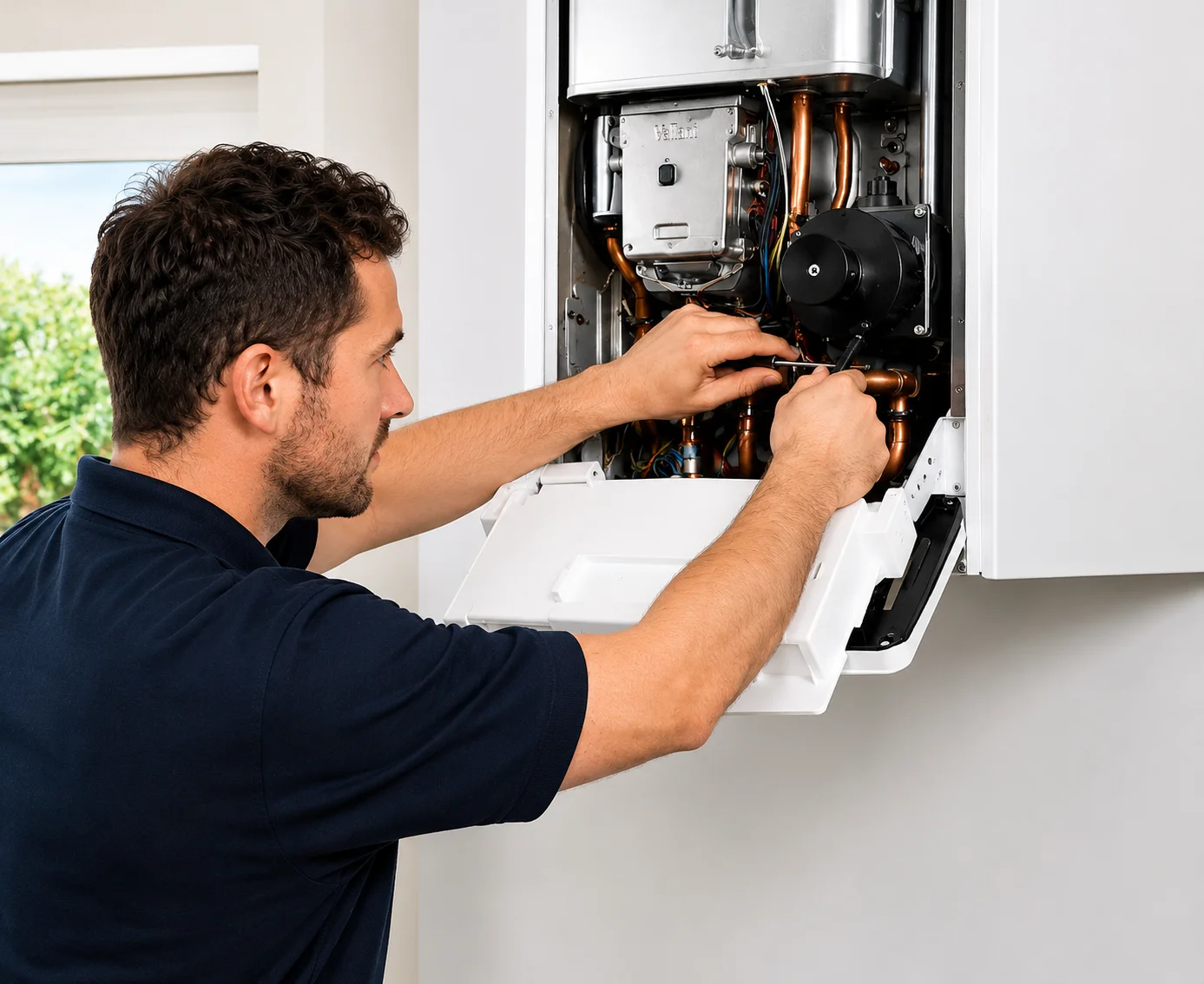
At this point, a qualified engineer can diagnose the root cause and carry out a proper boiler repair safely.
What are the most common faults behind pressure loss?
To better understand what might be happening, here is a breakdown of typical faults and their impact:
| Fault Type | Effect on Pressure | Likelihood of DIY Fix |
| Small system leak | Gradual pressure drop | Low |
| Faulty pressure valve | Sudden or repeated pressure loss | Low |
| Air in radiators | Minor pressure drop | Medium |
| Internal component wear | Ongoing pressure issues | Low |
| Filling loop issue | Incorrect pressure readings | Medium |
In most cases, internal faults require professional tools and expertise to resolve properly.
A typical Cardiff scenario
A homeowner in Cardiff noticed their boiler pressure dropping every few days. They initially topped it up themselves, but the issue kept returning.
After a full inspection, the problem was traced to a small leak in a radiator valve that was not immediately visible. Once repaired and the system repressurised correctly, the issue was resolved.
This example highlights how even minor faults can lead to ongoing pressure problems if not addressed properly.
Can low boiler pressure affect heating performance?
Yes, significantly.
When the pressure is too low, hot water cannot circulate effectively. This leads to:
- Cold spots on radiators
- Slower heating response
- Reduced hot water flow
Over time, this can also place additional strain on the system, increasing the likelihood of further faults and the need for boiler repair.
How to prevent pressure loss in the future
While some issues are unavoidable, regular maintenance can greatly reduce the risk.
Practical steps include:
- Booking annual boiler servicing
- Checking pressure levels periodically
- Addressing small leaks quickly
- Ensuring radiators are balanced and maintained
Preventative care helps keep your system running efficiently and reduces the chances of unexpected breakdowns.
Is pressure loss common in older systems?
Yes, older systems are more prone to pressure-related issues.
Over time, components such as seals, valves, and pipe joints can wear down. This increases the likelihood of leaks and pressure instability.
If your system is ageing and experiencing frequent problems, it may be worth discussing long-term options with a professional, including repair or replacement.
If you are dealing with ongoing pressure issues, you can speak to our team for expert advice and tailored solutions.
Should you ignore minor pressure drops?
It is not recommended.
Even small pressure drops can indicate an underlying issue. While topping up may provide a temporary fix, it does not address the root cause.
Ignoring the problem can lead to:
- Larger leaks
- Increased repair costs
- Reduced system efficiency
Early action is always the better approach.
FAQs
Why does my boiler keep losing pressure?
This is usually due to a leak, a faulty valve, or worn internal components. Repeated pressure loss often requires professional inspection.
Can I keep topping up my boiler?
You can top it up occasionally, but frequent topping up suggests a fault that should be properly diagnosed.
Is low boiler pressure dangerous?
Low pressure itself is not dangerous, but it can affect heating performance and indicate underlying issues.
How quickly can pressure problems be fixed?
It depends on the cause. Simple issues may be resolved quickly, while leaks or internal faults may take longer.
Don’t Ignore a Boiler That Keeps Losing Pressure
A boiler that keeps losing pressure is a clear sign that something is not quite right. While some checks can be done safely at home, recurring issues should always be investigated properly.
Understanding the common causes helps you act early and avoid more serious problems down the line. Whether it is a minor adjustment or a more involved fix, addressing pressure loss promptly can restore comfort and efficiency to your home.
If you need reliable support with boiler repair in Cardiff, MPH Trades offers experienced guidance and practical solutions to keep your system running smoothly.
Related articles
Let’s get started, Which fuel powers your boiler?
Mains Gas
LPG
At a glance
A boiler that keeps losing pressure is more than just a minor inconvenience. It can affect your heating, reduce hot water performance, and leave your home feeling uncomfortable, especially during colder periods.
While it might seem like a complex issue, pressure loss is actually one of the most common boiler problems homeowners experience. The key is understanding what is causing it and knowing which steps are safe to take yourself.
If the issue keeps returning, it is always worth getting a professional opinion early. You can contact our team at MPH Trades for advice or to arrange a system check.
Why does boiler pressure matter?
Boiler pressure ensures that hot water can circulate effectively through your heating system. Without the right pressure, radiators may not heat properly, and hot water delivery can become inconsistent.
Most modern boilers operate best within a pressure range of around 1 to 1.5 bar when cold. If the pressure drops below this, the system may struggle to function efficiently or even shut down completely.
What causes a boiler to lose pressure?
There are several possible reasons, and some are easier to spot than others.
Common causes include:
- Leaks in the system – Even a small leak in a radiator, pipe, or valve can gradually reduce pressure
- Bleeding radiators – Releasing trapped air lowers system pressure if not topped up afterwards
- Faulty pressure relief valve – This may release water unnecessarily
- Worn seals or components – Internal parts can degrade over time
- Recent system work – Pressure often drops after maintenance if not properly adjusted
If you find yourself repeatedly topping up your boiler, it is likely that one of these issues is present and may require a professional boiler repair.
How can you safely check for pressure loss?
Before calling an engineer, there are a few basic checks you can carry out safely.
Step-by-step checks:
- Look at the pressure gauge
Check whether the reading is below 1 bar - Inspect visible pipework and radiators
Look for damp patches, drips, or corrosion - Check around the boiler
Any signs of water underneath may indicate a leak - Confirm recent work
If radiators were bled or serviced, pressure may simply need topping up
These checks can help you identify obvious issues without interfering with the boiler itself.
Is it safe to repressurise your boiler?
In many cases, yes, but only if you follow the correct procedure.
Most modern systems have a filling loop that allows you to safely increase pressure. However, it is important not to overfill, as this can cause further issues.
Safe repressurising tips:
- Only top up to the recommended pressure (usually 1 to 1.5 bar)
- Turn the boiler off before starting
- Close the filling loop securely afterwards
If you find that pressure drops again shortly after topping up, this usually indicates a deeper problem that requires attention.
Let’s get started, Which fuel powers your boiler?
Mains Gas
LPG
It just takes 60 Sec
And then you can book a free consultation
When should you call an engineer?
If the issue persists, it is best not to delay.
Warning signs include:
- Pressure drops frequently or rapidly
- You notice water leaks, but cannot locate the source
- The boiler shuts down or displays error codes
- Radiators are not heating evenly
At this point, a qualified engineer can diagnose the root cause and carry out a proper boiler repair safely.
What are the most common faults behind pressure loss?
To better understand what might be happening, here is a breakdown of typical faults and their impact:
| Fault Type | Effect on Pressure | Likelihood of DIY Fix |
| Small system leak | Gradual pressure drop | Low |
| Faulty pressure valve | Sudden or repeated pressure loss | Low |
| Air in radiators | Minor pressure drop | Medium |
| Internal component wear | Ongoing pressure issues | Low |
| Filling loop issue | Incorrect pressure readings | Medium |
In most cases, internal faults require professional tools and expertise to resolve properly.
A typical Cardiff scenario
A homeowner in Cardiff noticed their boiler pressure dropping every few days. They initially topped it up themselves, but the issue kept returning.
After a full inspection, the problem was traced to a small leak in a radiator valve that was not immediately visible. Once repaired and the system repressurised correctly, the issue was resolved.
This example highlights how even minor faults can lead to ongoing pressure problems if not addressed properly.
Can low boiler pressure affect heating performance?
Yes, significantly.
When the pressure is too low, hot water cannot circulate effectively. This leads to:
- Cold spots on radiators
- Slower heating response
- Reduced hot water flow
Over time, this can also place additional strain on the system, increasing the likelihood of further faults and the need for boiler repair.
How to prevent pressure loss in the future
While some issues are unavoidable, regular maintenance can greatly reduce the risk.
Practical steps include:
- Booking annual boiler servicing
- Checking pressure levels periodically
- Addressing small leaks quickly
- Ensuring radiators are balanced and maintained
Preventative care helps keep your system running efficiently and reduces the chances of unexpected breakdowns.
Is pressure loss common in older systems?
Yes, older systems are more prone to pressure-related issues.
Over time, components such as seals, valves, and pipe joints can wear down. This increases the likelihood of leaks and pressure instability.
If your system is ageing and experiencing frequent problems, it may be worth discussing long-term options with a professional, including repair or replacement.
If you are dealing with ongoing pressure issues, you can speak to our team for expert advice and tailored solutions.
Should you ignore minor pressure drops?
It is not recommended.
Even small pressure drops can indicate an underlying issue. While topping up may provide a temporary fix, it does not address the root cause.
Ignoring the problem can lead to:
- Larger leaks
- Increased repair costs
- Reduced system efficiency
Early action is always the better approach.
FAQs
Why does my boiler keep losing pressure?
This is usually due to a leak, a faulty valve, or worn internal components. Repeated pressure loss often requires professional inspection.
Can I keep topping up my boiler?
You can top it up occasionally, but frequent topping up suggests a fault that should be properly diagnosed.
Is low boiler pressure dangerous?
Low pressure itself is not dangerous, but it can affect heating performance and indicate underlying issues.
How quickly can pressure problems be fixed?
It depends on the cause. Simple issues may be resolved quickly, while leaks or internal faults may take longer.
Don’t Ignore a Boiler That Keeps Losing Pressure
A boiler that keeps losing pressure is a clear sign that something is not quite right. While some checks can be done safely at home, recurring issues should always be investigated properly.
Understanding the common causes helps you act early and avoid more serious problems down the line. Whether it is a minor adjustment or a more involved fix, addressing pressure loss promptly can restore comfort and efficiency to your home.
If you need reliable support with boiler repair in Cardiff, MPH Trades offers experienced guidance and practical solutions to keep your system running smoothly.
Related articles
Address
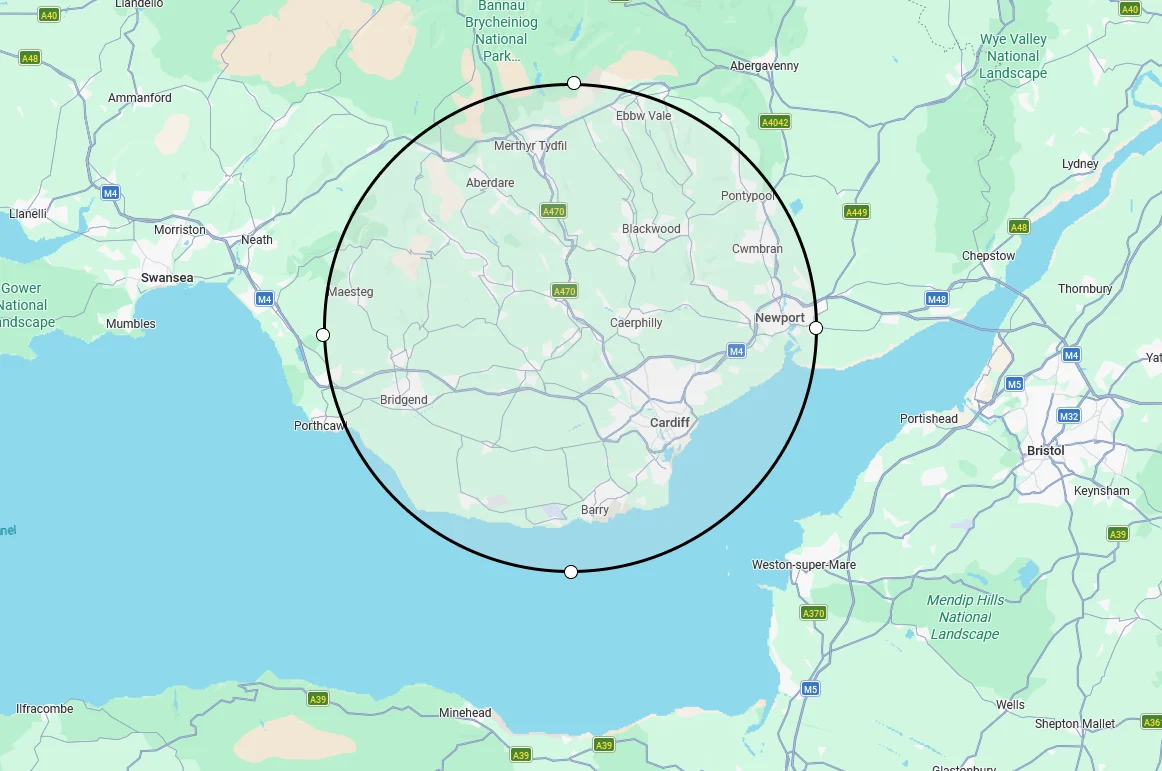
Office Location:
376 Newport Road
Cardiff
CF23 9AE
The content on this website is owned by us and our licensors. Do not copy the content (including images) without our consent.
MPH INSTALLATIONS LTD (MPH PLUMBING & HEATING) is an Introducer Appointed Representative (Financial Services Register No. 916214) of Phoenix Financial Consultants Limited (Phoenix). Phoenix is a credit broker, not a lender. Phoenix is authorised and regulated by the Financial Conduct Authority (FRN: 539195), and offers finance from its panel of lenders. All finance subject to status and credit checks.

Powered by We Build Trades © 2026
Amout of credit
£0.00
Monthly
£0.00
Total payable
£0.00
Interest (fixed)
£0.00
APR
-