

Boiler Repair Cost: When Cover Is Smarter Than Guesswork
A practical guide to boiler repair costs, when boiler cover may be worthwhile and what to consider before paying for repairs.

Why you can trust our content
We understand that the boiler industry can be confusing, with plenty of outdated or misleading information. That’s why we rely only on trusted, proven sources to guide our advice and installations:

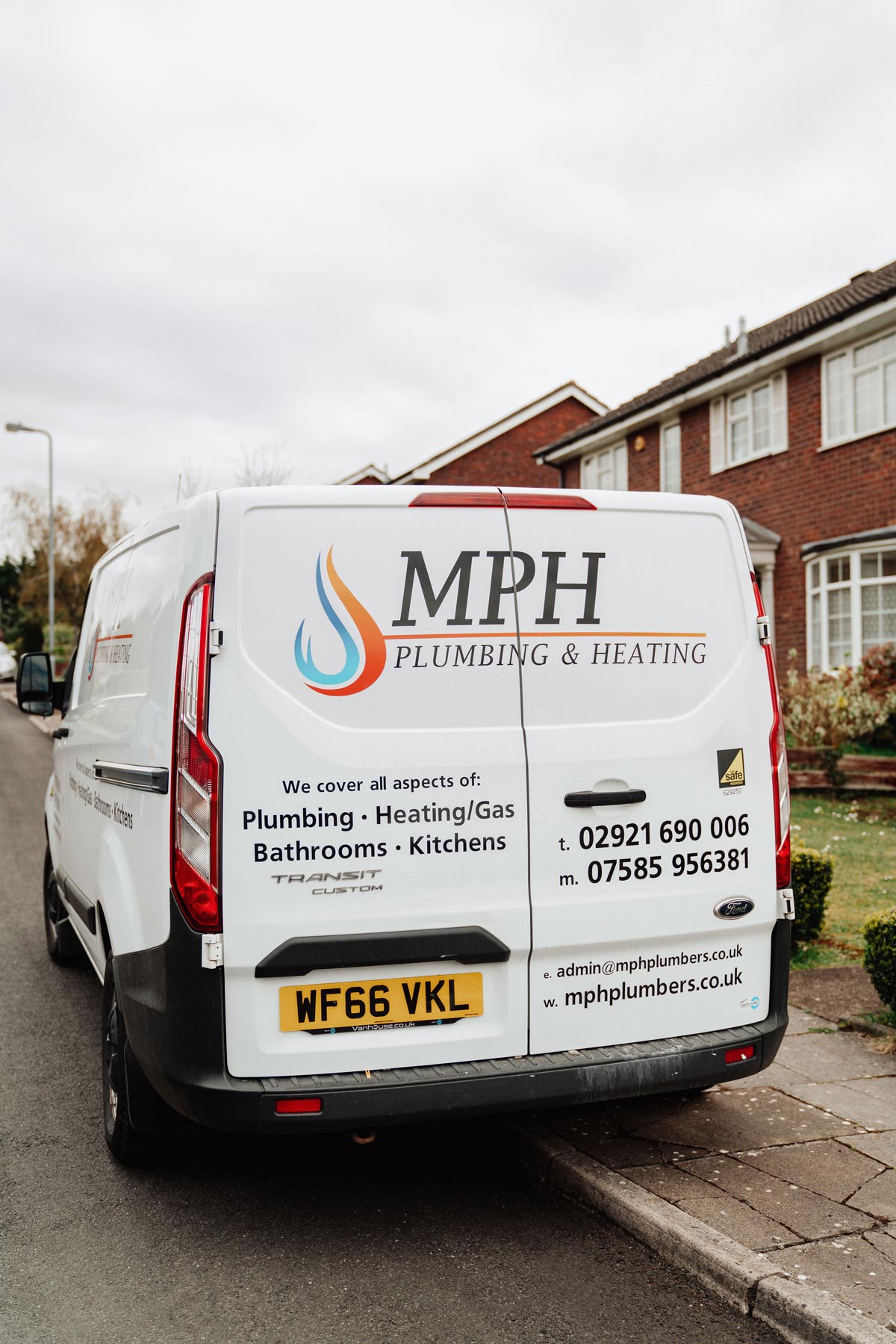
At a glance
A boiler breakdown can turn a normal day into an unexpected expense. Even when the fault appears minor, homeowners may worry about how much the repair will cost, whether another problem will follow and whether replacing the boiler would be more sensible.
This uncertainty is one reason some households consider boiler cover. Paying for cover can provide a degree of financial predictability, but it is not automatically the right choice for every property or every boiler.
Understanding typical repair considerations, what cover may include and where exclusions can apply can help you make a more informed decision.
If you are trying to understand boiler repair cost before deciding whether cover is worthwhile, it helps to look beyond the headline price.
If your boiler is currently causing problems, contact MPH Trades for practical advice on whether repair or further assessment may be appropriate.
What affects the cost of repairing a boiler?
There is no single price for a boiler repair because the final amount depends on the fault, appliance and work required.
Factors can include:
- The type of boiler
- The age of the appliance
- The component that has failed
- Availability of replacement parts
- Labour required
- Whether further diagnosis is needed
- The urgency of the repair
- Whether more than one component needs attention
A simple issue may require less work than a fault involving a major internal component.
The cost can also vary depending on whether the engineer needs to return with a specific part or whether the problem can be resolved during the initial visit.
When is boiler repair usually more sensible than replacement?
Repair can make sense when the boiler is otherwise in reasonable condition, and the fault is relatively straightforward.
For example, an appliance that has worked reliably for years but develops one isolated fault may not need replacing simply because something has stopped working.
Repair may be worth considering when:
- The boiler is relatively reliable
- The fault is clearly identifiable
- Parts are available
- The repair is proportionate
- The appliance remains suitable for the property
However, repeated breakdowns can change the calculation.
If an ageing boiler has required several expensive repairs recently, it may be worth comparing the likely future repair expenditure with the cost of replacement.
Can boiler age determine whether cover is worthwhile?
Age is relevant, but it is not the only consideration.
An older boiler may have more worn components and could be more likely to need attention. However, a well-maintained appliance can continue to operate reliably for many years.
When considering cover, look at:
| Factor | Why it matters |
| Boiler age | Older appliances may have more wear |
| Repair history | Frequent faults can indicate higher future costs |
| Parts availability | Some older components may be harder to source |
| Boiler condition | Overall condition affects reliability |
| Cover exclusions | Some policies may not cover every fault |
| Premium | Regular payments add to the overall cost |
| Excess | Check what you pay when making a claim |
| Claims limits | Understand any restrictions |
This gives you a more realistic picture than age alone.
What is boiler cover?
Boiler cover is an agreement designed to assist with specified boiler or heating problems, subject to the provider’s terms.
Depending on the policy, it may include some combination of:
- Boiler repairs
- Heating system repairs
- Call-out assistance
- Labour
- Replacement parts
- Emergency support
Policies differ considerably, so never assume that every boiler problem will automatically be covered.
Some agreements may have exclusions relating to age, previous faults, maintenance, sludge, corrosion or particular components.
Always read the policy terms before deciding.
Let’s get started, Which fuel powers your boiler?
Mains Gas
LPG
It just takes 60 Sec
And then you can book a free consultation
Is boiler cover the same as home insurance?
No. They are different types of protection.
Home insurance may cover certain risks affecting the building or contents, depending on the policy. Boiler cover is specifically designed around boiler or heating system breakdowns and the services described in the agreement.
You should check what existing insurance already provides before paying for additional cover.
This helps prevent paying twice for protection that overlaps.
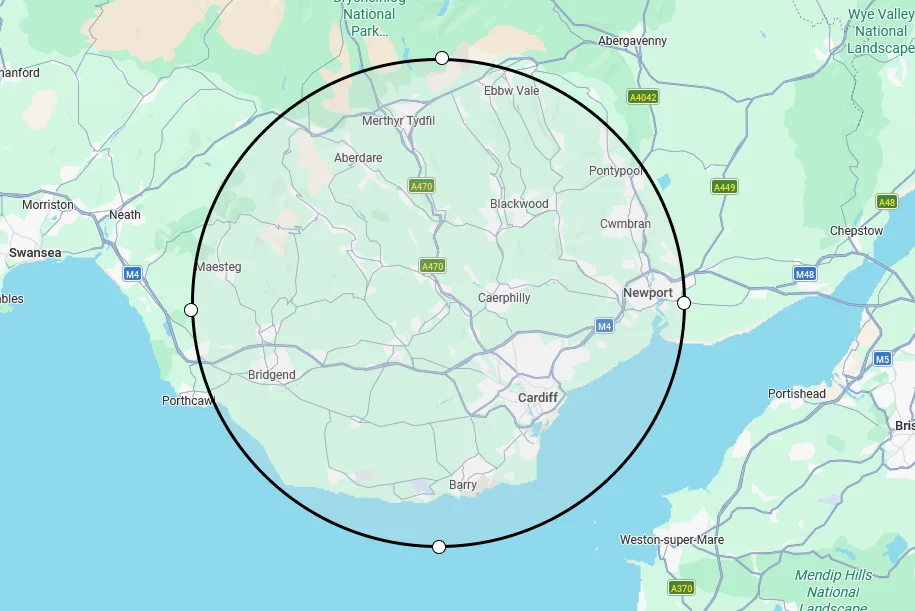
When could boiler cover Cardiff homeowners find useful?
For some households, boiler cover Cardiff residents can purchase may provide useful budgeting support.
It may be particularly attractive to homeowners who:
- Have an older heating system
- Prefer predictable monthly costs
- Would struggle with an unexpected repair bill
- Want access to an emergency repair service
- Have limited savings available for unexpected breakdowns
However, the value depends on the terms of the policy and how frequently repairs are actually needed.
A homeowner with a newer, reliable boiler may decide that putting money aside independently makes more sense.
What should you check before buying boiler cover?
Do not choose cover based solely on a low monthly premium.
Check the policy for:
- Monthly or annual cost
- Excess per claim
- Call-out arrangements
- Parts included
- Labour included
- Boiler age restrictions
- Existing fault exclusions
- Waiting periods
- Number of claims allowed
- Maximum repair value
- Replacement conditions
- Heating system coverage
- Cancellation terms
A policy that appears inexpensive may provide limited protection once exclusions and excess charges are considered.
Does boiler cover pay for every repair?
No. Cover is normally subject to specific terms and conditions.
Some policies may exclude faults that existed before the policy began. Others may have waiting periods before you can make a claim.
There may also be limits on the age or type of boiler covered.
For this reason, never buy cover because your boiler has just developed a fault and assume the current problem will automatically be included.
The policy needs to be reviewed carefully before purchase.
Can a repair be cheaper than paying for cover?
It can be.
Imagine a homeowner with a reliable boiler that has only required one small repair over several years. If the annual cost of cover is significant, paying for occasional repairs directly could potentially work out cheaper.
On the other hand, a household that experiences frequent breakdowns may value the predictability of having an agreed repair service.
The calculation is personal and depends on:
- Premiums
- Excesses
- Repair frequency
- Boiler age
- Potential repair severity
- Household budget
- Policy limitations
The goal is not simply to find the cheapest option. It is to understand which arrangement gives you the most suitable balance of cost and protection.
What is the best way to estimate future boiler repair spending?
Start with your own repair history.
Look at the previous two or three years and record:
- Number of repair visits
- Cost of each repair
- Parts replaced
- Any emergency call-outs
- Maintenance costs
- Recurring faults
This provides a more useful picture than relying on a general estimate.
For example, if you have spent very little on repairs and the boiler remains dependable, you may decide to continue budgeting independently.
If repair bills are increasing and faults are becoming more frequent, cover or replacement may deserve closer consideration.
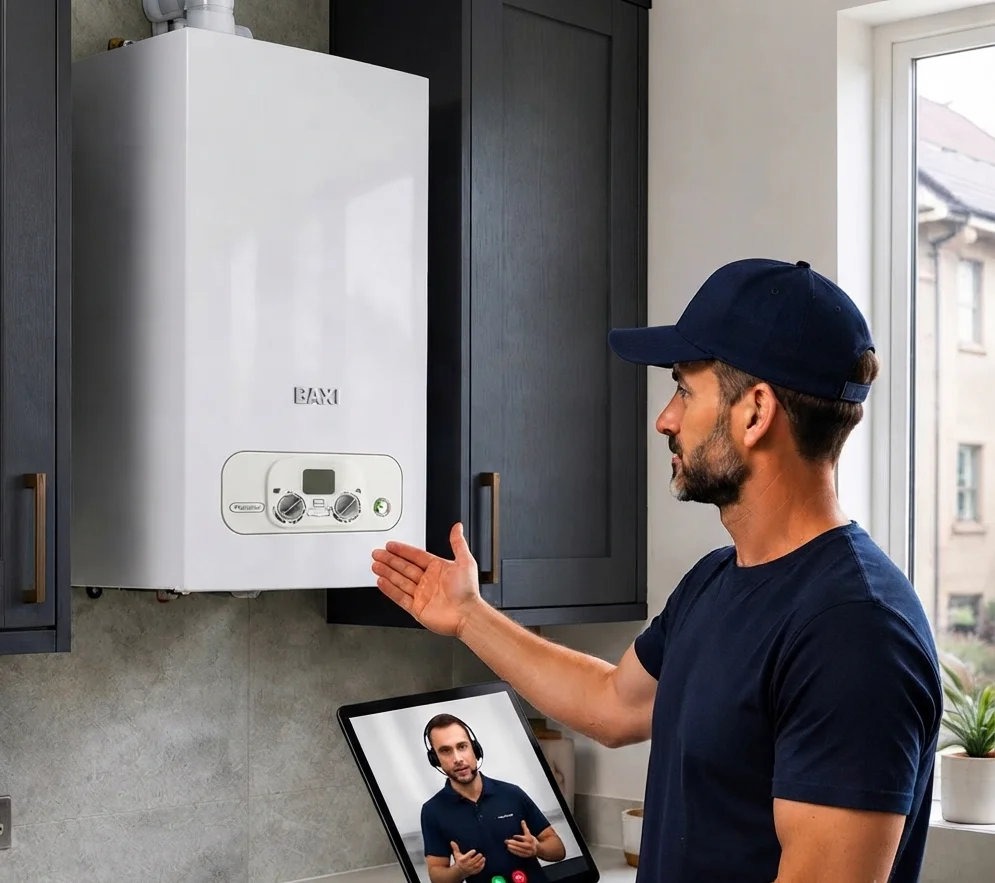
https://mphtrades.com/boiler-repair-cardiff-can-a-video-call-show-if-you-need-a-fix-or-replacement
Could boiler cover be less useful for a new boiler?
Potentially.
A new boiler may have manufacturer warranty protection, depending on the appliance and installation terms.
Before buying separate cover, check what warranty protection is already available and what it covers.
You should understand:
- Warranty duration
- Parts coverage
- Labour coverage
- Registration requirements
- Maintenance conditions
- Exclusions
- Whether accidental damage is covered
Additional cover may still offer benefits, but it should be assessed against the protection you already have.
What happens when a covered boiler breaks down?
The process depends on the provider.
Typically, you contact the provider through its designated claims or emergency service route. They then arrange an engineer or explain the next step under the policy.
Before buying cover, find out:
- Who handles emergency call-outs?
- How quickly is assistance normally arranged?
- Is there an excess?
- Are replacement parts included?
- Is labour included?
- What happens if the boiler cannot be repaired?
- Are there claim limits?
- Does the policy cover the wider heating system?
Understanding the process beforehand can be particularly valuable during a winter breakdown.
Is boiler cover worth it if the boiler keeps breaking down?
If a boiler is already experiencing repeated faults, do not assume that buying cover is automatically the answer.
A policy may exclude existing problems or impose a waiting period. The underlying condition of the boiler should also be considered.
If repairs have become frequent, ask whether continuing to repair the appliance makes financial sense.
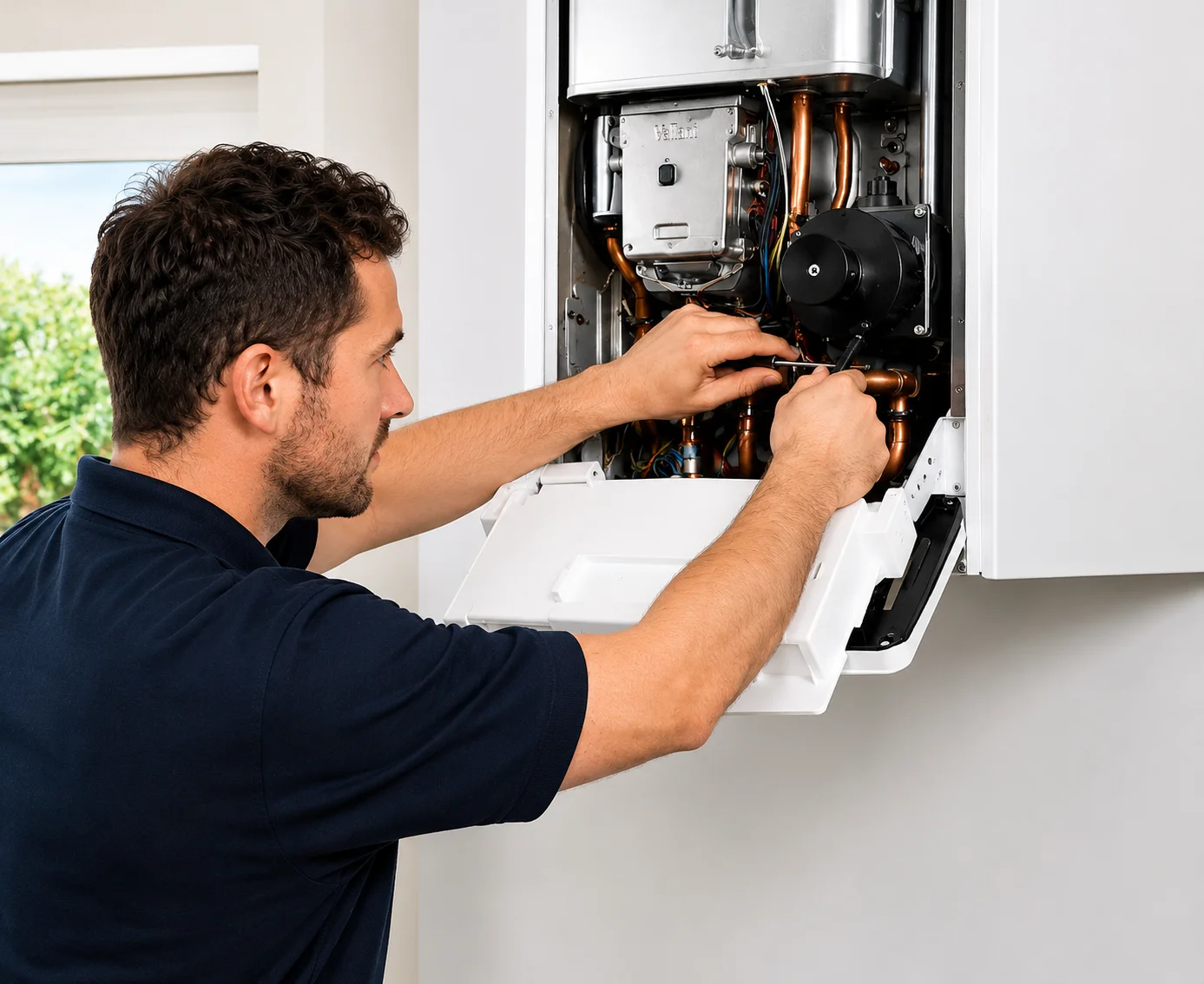
A professional assessment can help establish whether the immediate problem is repairable and whether replacement should be discussed.
MPH Trades can help you understand the condition of your existing boiler and the practical options available when faults start becoming recurrent.
What should Cardiff homeowners consider before choosing cover?
Local weather and household heating needs can make boiler reliability particularly important during colder periods.
However, the decision should still be based on your own circumstances rather than location alone.
Consider:
- Boiler age
- Repair history
- Existing warranty
- Household budget
- Availability of emergency funds
- Policy exclusions
- Premiums
- Excesses
- Expected heating requirements
When comparing boiler cover Cardiff homeowners should also check whether the policy covers only the boiler or includes other parts of the central heating system.
A typical Cardiff homeowner example
Imagine a homeowner with an older combi boiler that has required two repairs in the past 12 months. One repair involved a minor component, while the second required more extensive work.
The homeowner is now considering whether to purchase cover.
Rather than choosing a policy immediately, they review the previous repair costs, check the boiler’s age and investigate the policy’s exclusions. They also find out whether the existing boiler is eligible and whether the current fault would be excluded.
At the same time, they ask an engineer whether the appliance remains in reasonable condition.
This gives them three possible routes: continue paying for repairs when needed, consider suitable cover or plan for replacement.
The best choice depends on the evidence rather than a general assumption that one option is always better.
What if the boiler needs an expensive repair?
An expensive repair deserves careful consideration.
Ask the engineer:
- What has failed?
- Is the repair essential?
- How much will it cost?
- Is the part available?
- Is the boiler otherwise in good condition?
- Are other components showing signs of deterioration?
- How likely is another significant repair?
A high repair bill does not automatically mean replacement is necessary, but it is a good reason to review the wider situation.
The boiler repair cost should be considered alongside the expected remaining service life and reliability of the appliance.
Can you avoid unexpected boiler repair bills?
No system can eliminate the possibility of a breakdown, but sensible maintenance and early attention to problems can help prevent minor issues becoming more serious.
Useful habits include:
- Arrange appropriate servicing
- Respond to unusual boiler behaviour
- Keep heating controls in good working order
- Monitor recurring pressure problems
- Do not ignore repeated fault codes
- Keep records of repairs
- Understand your warranty
- Check any boiler cover terms carefully
Early professional assessment can sometimes prevent homeowners from continuing to operate a system with an unresolved problem.
Get Practical Advice on Your Boiler Repair
The decision between paying for individual repairs and taking out boiler cover is not the same for every homeowner. A reliable boiler with few previous faults may make self-budgeting attractive, while households concerned about unpredictable repair bills may prefer the structure of a cover policy.
Before buying protection, read the terms carefully and check exclusions, waiting periods, excesses and claim limits. Equally, do not overlook the condition of the boiler itself.
If repeated faults are making you question whether continued repairs are sensible, professional advice can help you understand the options.
Contact MPH Trades if you need help assessing a boiler fault or want practical guidance before arranging a repair.
Related articles
Let’s get started, Which fuel powers your boiler?
Mains Gas
LPG
At a glance
A boiler breakdown can turn a normal day into an unexpected expense. Even when the fault appears minor, homeowners may worry about how much the repair will cost, whether another problem will follow and whether replacing the boiler would be more sensible.
This uncertainty is one reason some households consider boiler cover. Paying for cover can provide a degree of financial predictability, but it is not automatically the right choice for every property or every boiler.
Understanding typical repair considerations, what cover may include and where exclusions can apply can help you make a more informed decision.
If you are trying to understand boiler repair cost before deciding whether cover is worthwhile, it helps to look beyond the headline price.
If your boiler is currently causing problems, contact MPH Trades for practical advice on whether repair or further assessment may be appropriate.
What affects the cost of repairing a boiler?
There is no single price for a boiler repair because the final amount depends on the fault, appliance and work required.
Factors can include:
- The type of boiler
- The age of the appliance
- The component that has failed
- Availability of replacement parts
- Labour required
- Whether further diagnosis is needed
- The urgency of the repair
- Whether more than one component needs attention
A simple issue may require less work than a fault involving a major internal component.
The cost can also vary depending on whether the engineer needs to return with a specific part or whether the problem can be resolved during the initial visit.
When is boiler repair usually more sensible than replacement?
Repair can make sense when the boiler is otherwise in reasonable condition, and the fault is relatively straightforward.
For example, an appliance that has worked reliably for years but develops one isolated fault may not need replacing simply because something has stopped working.
Repair may be worth considering when:
- The boiler is relatively reliable
- The fault is clearly identifiable
- Parts are available
- The repair is proportionate
- The appliance remains suitable for the property
However, repeated breakdowns can change the calculation.
If an ageing boiler has required several expensive repairs recently, it may be worth comparing the likely future repair expenditure with the cost of replacement.
Can boiler age determine whether cover is worthwhile?
Age is relevant, but it is not the only consideration.
An older boiler may have more worn components and could be more likely to need attention. However, a well-maintained appliance can continue to operate reliably for many years.
When considering cover, look at:
| Factor | Why it matters |
| Boiler age | Older appliances may have more wear |
| Repair history | Frequent faults can indicate higher future costs |
| Parts availability | Some older components may be harder to source |
| Boiler condition | Overall condition affects reliability |
| Cover exclusions | Some policies may not cover every fault |
| Premium | Regular payments add to the overall cost |
| Excess | Check what you pay when making a claim |
| Claims limits | Understand any restrictions |
This gives you a more realistic picture than age alone.
What is boiler cover?
Boiler cover is an agreement designed to assist with specified boiler or heating problems, subject to the provider’s terms.
Depending on the policy, it may include some combination of:
- Boiler repairs
- Heating system repairs
- Call-out assistance
- Labour
- Replacement parts
- Emergency support
Policies differ considerably, so never assume that every boiler problem will automatically be covered.
Some agreements may have exclusions relating to age, previous faults, maintenance, sludge, corrosion or particular components.
Always read the policy terms before deciding.
Let’s get started, Which fuel powers your boiler?
Mains Gas
LPG
It just takes 60 Sec
And then you can book a free consultation
Is boiler cover the same as home insurance?
No. They are different types of protection.
Home insurance may cover certain risks affecting the building or contents, depending on the policy. Boiler cover is specifically designed around boiler or heating system breakdowns and the services described in the agreement.
You should check what existing insurance already provides before paying for additional cover.
This helps prevent paying twice for protection that overlaps.
When could boiler cover Cardiff homeowners find useful?
For some households, boiler cover Cardiff residents can purchase may provide useful budgeting support.
It may be particularly attractive to homeowners who:
- Have an older heating system
- Prefer predictable monthly costs
- Would struggle with an unexpected repair bill
- Want access to an emergency repair service
- Have limited savings available for unexpected breakdowns
However, the value depends on the terms of the policy and how frequently repairs are actually needed.
A homeowner with a newer, reliable boiler may decide that putting money aside independently makes more sense.
What should you check before buying boiler cover?
Do not choose cover based solely on a low monthly premium.
Check the policy for:
- Monthly or annual cost
- Excess per claim
- Call-out arrangements
- Parts included
- Labour included
- Boiler age restrictions
- Existing fault exclusions
- Waiting periods
- Number of claims allowed
- Maximum repair value
- Replacement conditions
- Heating system coverage
- Cancellation terms
A policy that appears inexpensive may provide limited protection once exclusions and excess charges are considered.
Does boiler cover pay for every repair?
No. Cover is normally subject to specific terms and conditions.
Some policies may exclude faults that existed before the policy began. Others may have waiting periods before you can make a claim.
There may also be limits on the age or type of boiler covered.
For this reason, never buy cover because your boiler has just developed a fault and assume the current problem will automatically be included.
The policy needs to be reviewed carefully before purchase.
Can a repair be cheaper than paying for cover?
It can be.
Imagine a homeowner with a reliable boiler that has only required one small repair over several years. If the annual cost of cover is significant, paying for occasional repairs directly could potentially work out cheaper.
On the other hand, a household that experiences frequent breakdowns may value the predictability of having an agreed repair service.
The calculation is personal and depends on:
- Premiums
- Excesses
- Repair frequency
- Boiler age
- Potential repair severity
- Household budget
- Policy limitations
The goal is not simply to find the cheapest option. It is to understand which arrangement gives you the most suitable balance of cost and protection.
What is the best way to estimate future boiler repair spending?
Start with your own repair history.
Look at the previous two or three years and record:
- Number of repair visits
- Cost of each repair
- Parts replaced
- Any emergency call-outs
- Maintenance costs
- Recurring faults
This provides a more useful picture than relying on a general estimate.
For example, if you have spent very little on repairs and the boiler remains dependable, you may decide to continue budgeting independently.
If repair bills are increasing and faults are becoming more frequent, cover or replacement may deserve closer consideration.
https://mphtrades.com/boiler-repair-cardiff-can-a-video-call-show-if-you-need-a-fix-or-replacement
Could boiler cover be less useful for a new boiler?
Potentially.
A new boiler may have manufacturer warranty protection, depending on the appliance and installation terms.
Before buying separate cover, check what warranty protection is already available and what it covers.
You should understand:
- Warranty duration
- Parts coverage
- Labour coverage
- Registration requirements
- Maintenance conditions
- Exclusions
- Whether accidental damage is covered
Additional cover may still offer benefits, but it should be assessed against the protection you already have.
What happens when a covered boiler breaks down?
The process depends on the provider.
Typically, you contact the provider through its designated claims or emergency service route. They then arrange an engineer or explain the next step under the policy.
Before buying cover, find out:
- Who handles emergency call-outs?
- How quickly is assistance normally arranged?
- Is there an excess?
- Are replacement parts included?
- Is labour included?
- What happens if the boiler cannot be repaired?
- Are there claim limits?
- Does the policy cover the wider heating system?
Understanding the process beforehand can be particularly valuable during a winter breakdown.
Is boiler cover worth it if the boiler keeps breaking down?
If a boiler is already experiencing repeated faults, do not assume that buying cover is automatically the answer.
A policy may exclude existing problems or impose a waiting period. The underlying condition of the boiler should also be considered.
If repairs have become frequent, ask whether continuing to repair the appliance makes financial sense.
A professional assessment can help establish whether the immediate problem is repairable and whether replacement should be discussed.
MPH Trades can help you understand the condition of your existing boiler and the practical options available when faults start becoming recurrent.
What should Cardiff homeowners consider before choosing cover?
Local weather and household heating needs can make boiler reliability particularly important during colder periods.
However, the decision should still be based on your own circumstances rather than location alone.
Consider:
- Boiler age
- Repair history
- Existing warranty
- Household budget
- Availability of emergency funds
- Policy exclusions
- Premiums
- Excesses
- Expected heating requirements
When comparing boiler cover Cardiff homeowners should also check whether the policy covers only the boiler or includes other parts of the central heating system.
A typical Cardiff homeowner example
Imagine a homeowner with an older combi boiler that has required two repairs in the past 12 months. One repair involved a minor component, while the second required more extensive work.
The homeowner is now considering whether to purchase cover.
Rather than choosing a policy immediately, they review the previous repair costs, check the boiler’s age and investigate the policy’s exclusions. They also find out whether the existing boiler is eligible and whether the current fault would be excluded.
At the same time, they ask an engineer whether the appliance remains in reasonable condition.
This gives them three possible routes: continue paying for repairs when needed, consider suitable cover or plan for replacement.
The best choice depends on the evidence rather than a general assumption that one option is always better.
What if the boiler needs an expensive repair?
An expensive repair deserves careful consideration.
Ask the engineer:
- What has failed?
- Is the repair essential?
- How much will it cost?
- Is the part available?
- Is the boiler otherwise in good condition?
- Are other components showing signs of deterioration?
- How likely is another significant repair?
A high repair bill does not automatically mean replacement is necessary, but it is a good reason to review the wider situation.
The boiler repair cost should be considered alongside the expected remaining service life and reliability of the appliance.
Can you avoid unexpected boiler repair bills?
No system can eliminate the possibility of a breakdown, but sensible maintenance and early attention to problems can help prevent minor issues becoming more serious.
Useful habits include:
- Arrange appropriate servicing
- Respond to unusual boiler behaviour
- Keep heating controls in good working order
- Monitor recurring pressure problems
- Do not ignore repeated fault codes
- Keep records of repairs
- Understand your warranty
- Check any boiler cover terms carefully
Early professional assessment can sometimes prevent homeowners from continuing to operate a system with an unresolved problem.
Get Practical Advice on Your Boiler Repair
The decision between paying for individual repairs and taking out boiler cover is not the same for every homeowner. A reliable boiler with few previous faults may make self-budgeting attractive, while households concerned about unpredictable repair bills may prefer the structure of a cover policy.
Before buying protection, read the terms carefully and check exclusions, waiting periods, excesses and claim limits. Equally, do not overlook the condition of the boiler itself.
If repeated faults are making you question whether continued repairs are sensible, professional advice can help you understand the options.
Contact MPH Trades if you need help assessing a boiler fault or want practical guidance before arranging a repair.
Related articles
Address
Office Location:
376 Newport Road
Cardiff
CF23 9AE
The content on this website is owned by us and our licensors. Do not copy the content (including images) without our consent.
MPH INSTALLATIONS LTD (MPH PLUMBING & HEATING) is an Introducer Appointed Representative (Financial Services Register No. 916214) of Phoenix Financial Consultants Limited (Phoenix). Phoenix is a credit broker, not a lender. Phoenix is authorised and regulated by the Financial Conduct Authority (FRN: 539195), and offers finance from its panel of lenders. All finance subject to status and credit checks.

Amout of credit
£0.00
Monthly
£0.00
Total payable
£0.00
Interest (fixed)
£0.00
APR
-