

Boiler Installation in Cardiff: Timeline, Disruption and What to Expect
Discover what to expect during a boiler installation in Cardiff, from timescales and disruption to the final system handover.

Why you can trust our content
We understand that the boiler industry can be confusing, with plenty of outdated or misleading information. That’s why we rely only on trusted, proven sources to guide our advice and installations:

At a glance
Replacing a boiler is a significant home improvement project, so it is natural to have questions about how long the process takes, what work is involved, and whether your daily routine will be affected.
The good news is that most installations are completed efficiently by experienced engineers, with disruption kept to a minimum. Understanding the process beforehand can help you prepare your home, plan around the work, and feel more confident about the installation.
This guide explains the typical stages of a boiler installation Cardiff homeowners can expect, from the initial survey through to commissioning and aftercare.
Why Is Every Installation Different?
No two properties are exactly alike, which is why installation times can vary.
Several factors influence the scope of work, including:
- The type of boiler being installed
- Whether the boiler is staying in the same location
- The size of the property
- Existing pipework condition
- Heating system upgrades are required
- Accessibility of the installation area
A straightforward replacement may take less time than a full system upgrade involving additional components or relocation work.
What Happens Before Installation Day?
Before any work begins, an installer will typically assess your property’s heating requirements.
This stage helps ensure the recommended boiler is suitable for your home and lifestyle.
Information commonly reviewed includes:
- Number of bedrooms
- Number of bathrooms
- Current boiler type
- Hot water demand
- Existing heating system condition
- Available installation locations
The survey also allows homeowners to ask questions and understand what work may be required.
If you’re planning a new boiler, contact the MPH Trades team for professional advice and a tailored assessment of your home’s heating requirements.
Let’s get started, Which fuel powers your boiler?
Mains Gas
LPG
It just takes 60 Sec
And then you can book a free consultation
How Long Does a Boiler Installation Take?
The timeframe depends on the complexity of the project.
The table below provides a general guide.
| Installation Type | Typical Timescale |
| Like-for-like boiler replacement | 1 day |
| Combi to combi replacement | 1 day |
| System boiler replacement | 1-2 days |
| Boiler relocation | 2-3 days |
| Full heating system upgrade | 2-5 days |
While these timescales are typical, your installer will provide a more accurate estimate based on the specific work required.
Will There Be Much Disruption?
For most households, disruption is relatively manageable.
Engineers are accustomed to working in occupied homes and will aim to keep the inconvenience to a minimum.
You may experience:
- Temporary loss of heating
- Temporary loss of hot water
- Access requirements to certain rooms
- Some drilling or installation noise
- Movement of tools and materials through the property
Most homeowners find the process less disruptive than they initially expected.
Planning ahead can help reduce inconvenience, particularly during colder months.
What Should You Do Before the Engineers Arrive?
A little preparation can help the installation run smoothly.
Consider the following:
- Clear access routes to the boiler location
- Remove items stored around the existing boiler
- Ensure engineers can access radiators if required
- Secure pets in a separate area
- Inform household members about temporary service interruptions
These simple steps can save time and make the working environment safer for everyone involved.
What Happens During Installation?
The exact process varies, but most installations follow a similar sequence.
Removal of the Existing Boiler
The first stage is safely disconnecting and removing the old unit.
Any outdated components that are no longer needed may also be removed at this point.
Pipework Adjustments
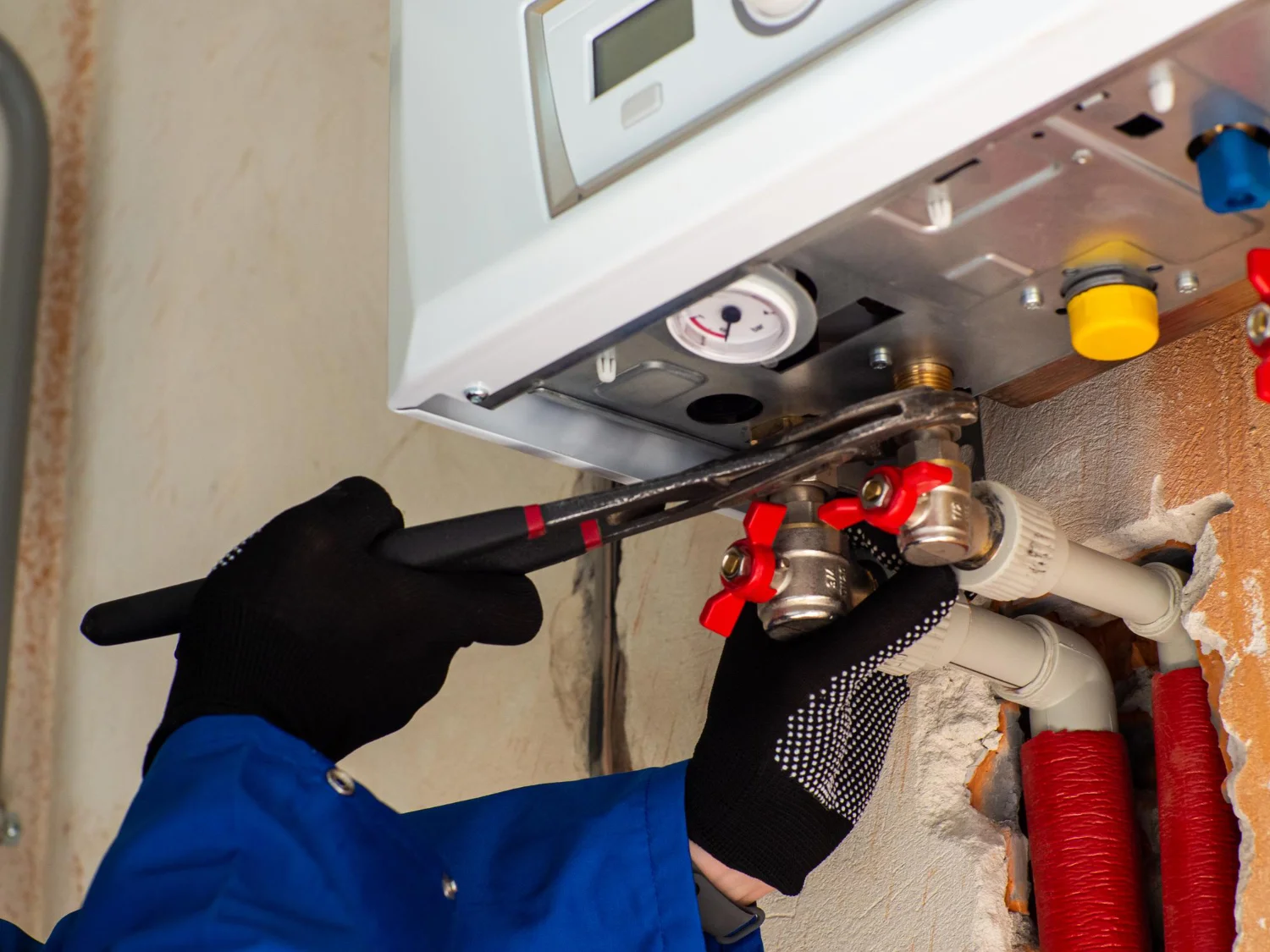
Depending on the new boiler and its location, some pipework modifications may be necessary.
These changes help ensure the system operates safely and efficiently.
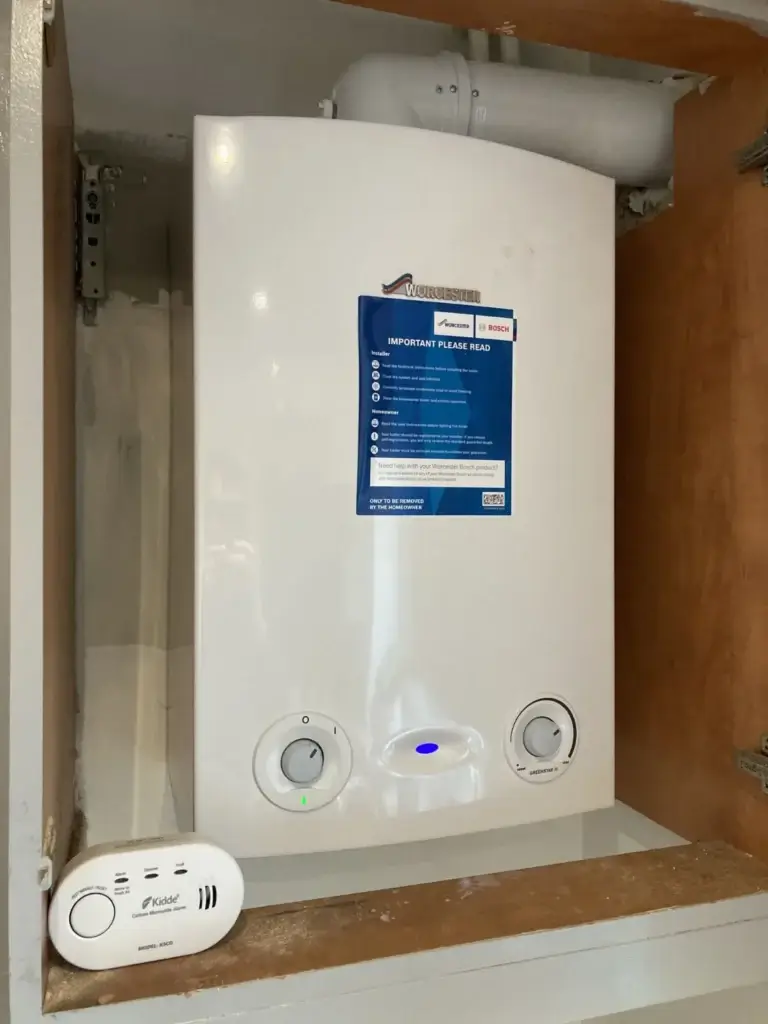
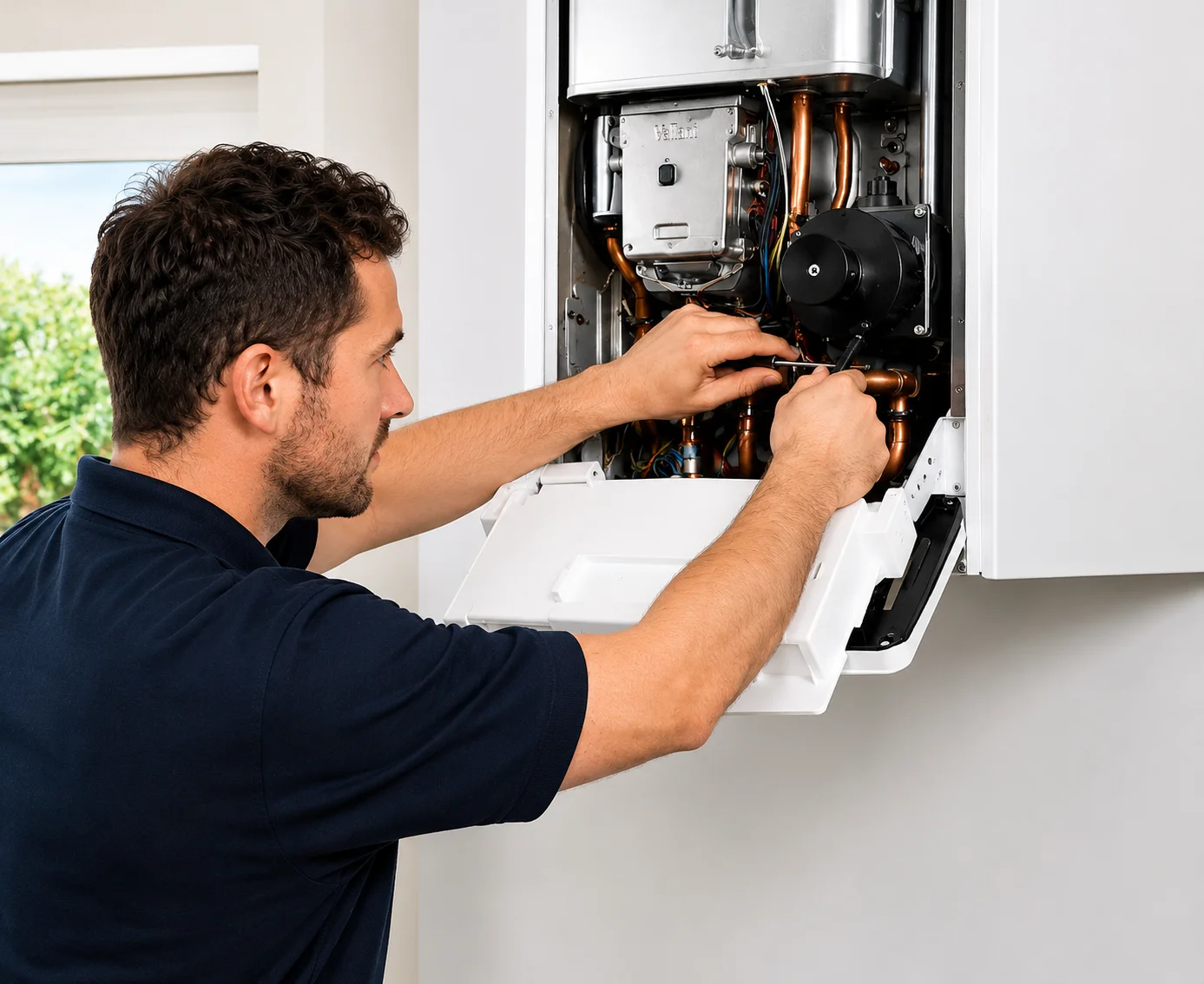
Installation of the New Boiler
The new appliance is fitted and connected to:
- Gas supply
- Water supply
- Heating circuit
- Condensate pipe
- Flue system
All work must comply with current regulations and safety requirements.
System Testing
Once installed, engineers carry out a series of checks to ensure everything operates correctly.
This includes pressure testing, safety checks, and performance verification.
Can You Stay at Home During the Installation?
In most cases, yes.
Many homeowners remain at home throughout the process. Engineers may occasionally need access to different parts of the property, but there is usually no requirement to leave.
However, there may be periods without heating or hot water while work is underway.
Families with young children, elderly relatives, or home-working commitments may wish to discuss scheduling options in advance.
Need help planning around your installation? Speak to MPH Trades for practical guidance and a clear explanation of what to expect from start to finish.
What If the Boiler Is Being Moved?
Relocating a boiler can provide practical benefits, such as freeing up space or improving access.
However, moving the appliance usually increases installation complexity because engineers may need to:
- Extend pipework
- Install a new flue route
- Adjust drainage connections
- Modify electrical supplies
As a result, relocation projects often take longer than a straightforward replacement.
Will New Controls Be Installed?
Many modern installations include updated heating controls.
Depending on the system, these may include:
- Programmable thermostats
- Smart heating controls
- Zoned heating systems
- Wireless room thermostats
Modern controls can improve comfort and help homeowners manage energy usage more effectively.
Your installer can explain the options available and recommend suitable solutions for your household.
What Happens After Installation?
Once the installation is complete, several important final steps should take place.
Demonstration and Handover
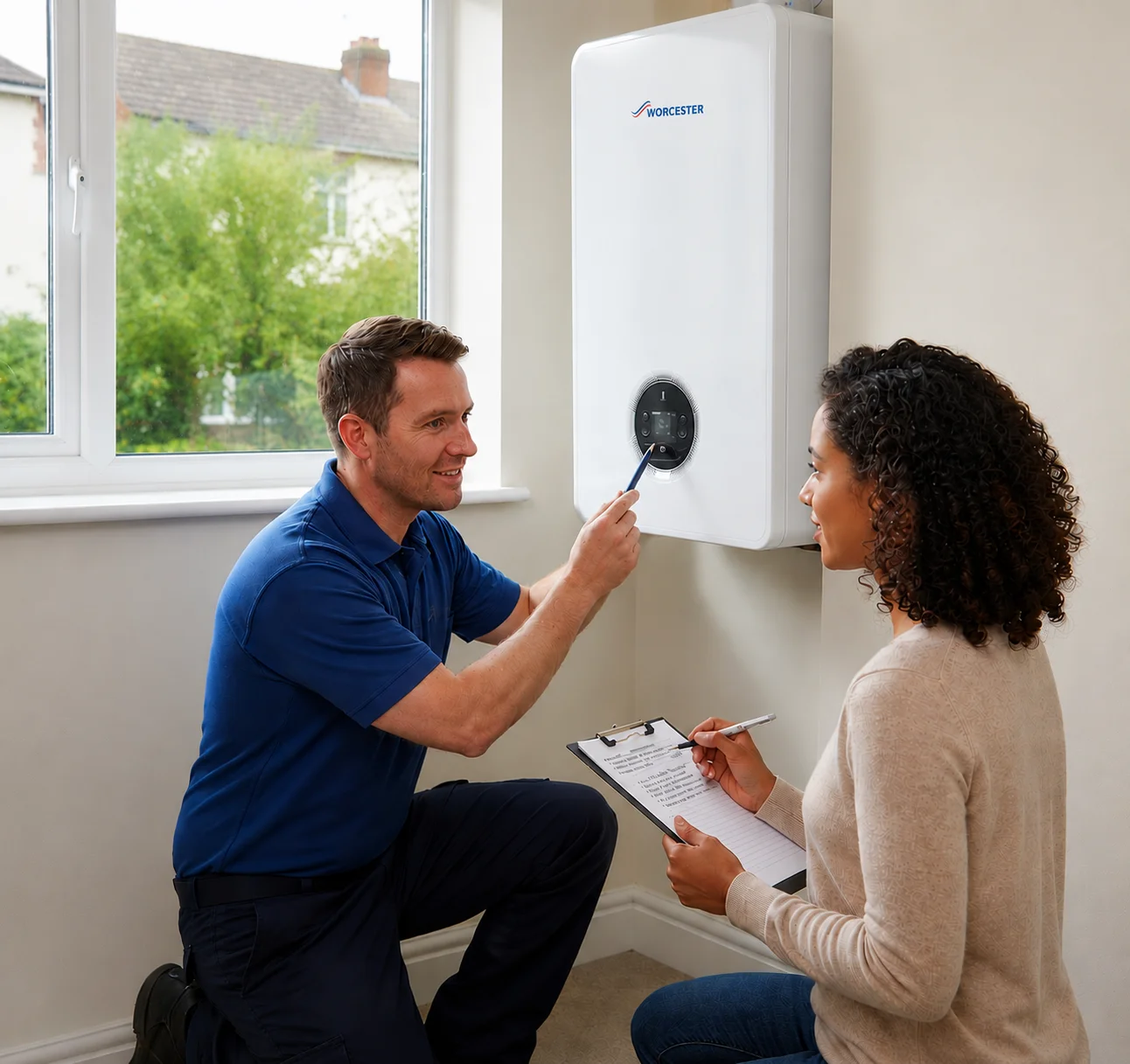
A good installer will explain how to operate the new boiler and controls.
This includes guidance on:
- Adjusting temperatures
- Programming schedules
- Understanding pressure readings
- Basic maintenance requirements
Registration and Documentation
The installation should be registered appropriately, and you should receive relevant documentation for your records.
Keep these documents in a safe place, as they may be required for warranty purposes.
Ongoing Servicing
Regular servicing helps maintain efficiency, reliability, and manufacturer warranty compliance.
Most manufacturers recommend annual servicing.
What Questions Should You Ask Before Installation?
Before confirming your booking, it is worth discussing:
- Expected installation duration
- Warranty details
- Any preparation required
- Whether controls will be upgraded
- Disposal of the old boiler
- Post-installation support
Clear communication helps avoid misunderstandings and ensures expectations are aligned from the outset.
Is a Winter Installation a Problem?
Not necessarily, but it requires careful planning.
Heating demand is often highest during colder months, which can increase demand for installers.
If possible, arranging a replacement before a major breakdown occurs may provide greater flexibility when choosing installation dates.
This is one reason many homeowners start researching boiler installation Cardiff options before their existing boiler reaches the point of failure.
Your Boiler Installation Starts Here
Understanding the installation process can make replacing your boiler feel far less daunting. While every property is different, most projects follow a clear sequence that allows work to be completed safely, efficiently, and with minimal disruption.
Whether you’re planning ahead or replacing an ageing system, choosing experienced professionals can help ensure your boiler installation Cardiff project runs smoothly from survey through to handover. MPH Trades provides expert guidance, quality workmanship, and clear communication throughout every stage of the process.
Ready to discuss your options? Contact MPH Trades today to request a bespoke quotation and professional advice for your home.
Related articles
Let’s get started, Which fuel powers your boiler?
Mains Gas
LPG
At a glance
Replacing a boiler is a significant home improvement project, so it is natural to have questions about how long the process takes, what work is involved, and whether your daily routine will be affected.
The good news is that most installations are completed efficiently by experienced engineers, with disruption kept to a minimum. Understanding the process beforehand can help you prepare your home, plan around the work, and feel more confident about the installation.
This guide explains the typical stages of a boiler installation Cardiff homeowners can expect, from the initial survey through to commissioning and aftercare.
Why Is Every Installation Different?
No two properties are exactly alike, which is why installation times can vary.
Several factors influence the scope of work, including:
- The type of boiler being installed
- Whether the boiler is staying in the same location
- The size of the property
- Existing pipework condition
- Heating system upgrades are required
- Accessibility of the installation area
A straightforward replacement may take less time than a full system upgrade involving additional components or relocation work.
What Happens Before Installation Day?
Before any work begins, an installer will typically assess your property’s heating requirements.
This stage helps ensure the recommended boiler is suitable for your home and lifestyle.
Information commonly reviewed includes:
- Number of bedrooms
- Number of bathrooms
- Current boiler type
- Hot water demand
- Existing heating system condition
- Available installation locations
The survey also allows homeowners to ask questions and understand what work may be required.
If you’re planning a new boiler, contact the MPH Trades team for professional advice and a tailored assessment of your home’s heating requirements.
Let’s get started, Which fuel powers your boiler?
Mains Gas
LPG
It just takes 60 Sec
And then you can book a free consultation
How Long Does a Boiler Installation Take?
The timeframe depends on the complexity of the project.
The table below provides a general guide.
| Installation Type | Typical Timescale |
| Like-for-like boiler replacement | 1 day |
| Combi to combi replacement | 1 day |
| System boiler replacement | 1-2 days |
| Boiler relocation | 2-3 days |
| Full heating system upgrade | 2-5 days |
While these timescales are typical, your installer will provide a more accurate estimate based on the specific work required.
Will There Be Much Disruption?
For most households, disruption is relatively manageable.
Engineers are accustomed to working in occupied homes and will aim to keep the inconvenience to a minimum.
You may experience:
- Temporary loss of heating
- Temporary loss of hot water
- Access requirements to certain rooms
- Some drilling or installation noise
- Movement of tools and materials through the property
Most homeowners find the process less disruptive than they initially expected.
Planning ahead can help reduce inconvenience, particularly during colder months.
What Should You Do Before the Engineers Arrive?
A little preparation can help the installation run smoothly.
Consider the following:
- Clear access routes to the boiler location
- Remove items stored around the existing boiler
- Ensure engineers can access radiators if required
- Secure pets in a separate area
- Inform household members about temporary service interruptions
These simple steps can save time and make the working environment safer for everyone involved.
What Happens During Installation?
The exact process varies, but most installations follow a similar sequence.
Removal of the Existing Boiler
The first stage is safely disconnecting and removing the old unit.
Any outdated components that are no longer needed may also be removed at this point.
Pipework Adjustments
Depending on the new boiler and its location, some pipework modifications may be necessary.
These changes help ensure the system operates safely and efficiently.
Installation of the New Boiler
The new appliance is fitted and connected to:
- Gas supply
- Water supply
- Heating circuit
- Condensate pipe
- Flue system
All work must comply with current regulations and safety requirements.
System Testing
Once installed, engineers carry out a series of checks to ensure everything operates correctly.
This includes pressure testing, safety checks, and performance verification.
Can You Stay at Home During the Installation?
In most cases, yes.
Many homeowners remain at home throughout the process. Engineers may occasionally need access to different parts of the property, but there is usually no requirement to leave.
However, there may be periods without heating or hot water while work is underway.
Families with young children, elderly relatives, or home-working commitments may wish to discuss scheduling options in advance.
Need help planning around your installation? Speak to MPH Trades for practical guidance and a clear explanation of what to expect from start to finish.
What If the Boiler Is Being Moved?
Relocating a boiler can provide practical benefits, such as freeing up space or improving access.
However, moving the appliance usually increases installation complexity because engineers may need to:
- Extend pipework
- Install a new flue route
- Adjust drainage connections
- Modify electrical supplies
As a result, relocation projects often take longer than a straightforward replacement.
Will New Controls Be Installed?
Many modern installations include updated heating controls.
Depending on the system, these may include:
- Programmable thermostats
- Smart heating controls
- Zoned heating systems
- Wireless room thermostats
Modern controls can improve comfort and help homeowners manage energy usage more effectively.
Your installer can explain the options available and recommend suitable solutions for your household.
What Happens After Installation?
Once the installation is complete, several important final steps should take place.
Demonstration and Handover
A good installer will explain how to operate the new boiler and controls.
This includes guidance on:
- Adjusting temperatures
- Programming schedules
- Understanding pressure readings
- Basic maintenance requirements
Registration and Documentation
The installation should be registered appropriately, and you should receive relevant documentation for your records.
Keep these documents in a safe place, as they may be required for warranty purposes.
Ongoing Servicing
Regular servicing helps maintain efficiency, reliability, and manufacturer warranty compliance.
Most manufacturers recommend annual servicing.
What Questions Should You Ask Before Installation?
Before confirming your booking, it is worth discussing:
- Expected installation duration
- Warranty details
- Any preparation required
- Whether controls will be upgraded
- Disposal of the old boiler
- Post-installation support
Clear communication helps avoid misunderstandings and ensures expectations are aligned from the outset.
Is a Winter Installation a Problem?
Not necessarily, but it requires careful planning.
Heating demand is often highest during colder months, which can increase demand for installers.
If possible, arranging a replacement before a major breakdown occurs may provide greater flexibility when choosing installation dates.
This is one reason many homeowners start researching boiler installation Cardiff options before their existing boiler reaches the point of failure.
Your Boiler Installation Starts Here
Understanding the installation process can make replacing your boiler feel far less daunting. While every property is different, most projects follow a clear sequence that allows work to be completed safely, efficiently, and with minimal disruption.
Whether you’re planning ahead or replacing an ageing system, choosing experienced professionals can help ensure your boiler installation Cardiff project runs smoothly from survey through to handover. MPH Trades provides expert guidance, quality workmanship, and clear communication throughout every stage of the process.
Ready to discuss your options? Contact MPH Trades today to request a bespoke quotation and professional advice for your home.
Related articles
Address
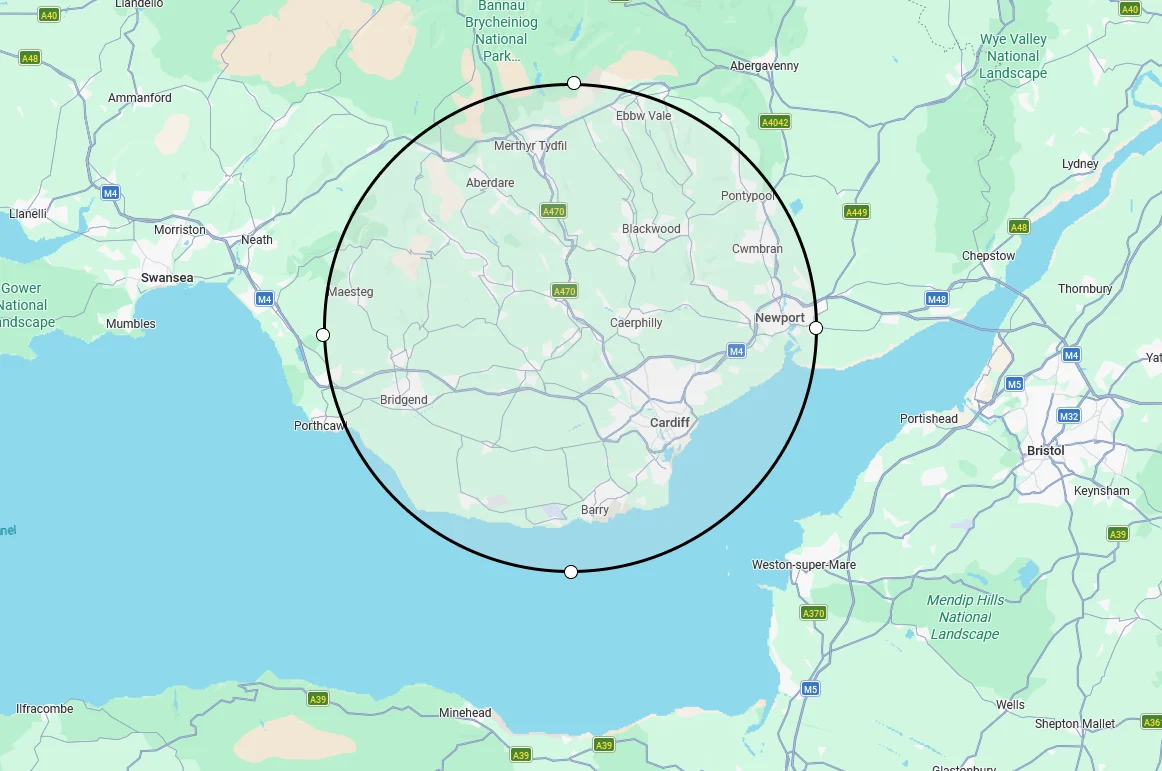
Office Location:
376 Newport Road
Cardiff
CF23 9AE
The content on this website is owned by us and our licensors. Do not copy the content (including images) without our consent.
MPH INSTALLATIONS LTD (MPH PLUMBING & HEATING) is an Introducer Appointed Representative (Financial Services Register No. 916214) of Phoenix Financial Consultants Limited (Phoenix). Phoenix is a credit broker, not a lender. Phoenix is authorised and regulated by the Financial Conduct Authority (FRN: 539195), and offers finance from its panel of lenders. All finance subject to status and credit checks.

Powered by We Build Trades © 2026
Amout of credit
£0.00
Monthly
£0.00
Total payable
£0.00
Interest (fixed)
£0.00
APR
-