

Boiler Repair Cost: When an Undersized System Keeps Breaking Down
Understand how boiler sizing and wider heating system issues can affect repair costs, reliability and the need for repeated repairs.

Why you can trust our content
We understand that the boiler industry can be confusing, with plenty of outdated or misleading information. That’s why we rely only on trusted, proven sources to guide our advice and installations:

At a glance
When a boiler repeatedly develops faults, the natural reaction is to look for a faulty component. Sometimes that is exactly what has gone wrong. However, recurring problems can also point towards an underlying issue with the wider heating system.
An undersized boiler, inadequate radiators, restricted pipework or poor circulation can all affect how a heating system operates. If these issues are not identified, homeowners may continue paying for individual repairs without addressing the reason the system is struggling.
Understanding the relationship between system sizing and boiler repair cost can help Cardiff homeowners decide when a repair is appropriate and when the wider installation needs closer attention.
Can an undersized boiler cause repeated problems?
An undersized boiler may struggle to meet the heating demand of a property during colder periods. It may need to operate for longer to reach the required temperature, particularly where the home’s heat loss is relatively high.
However, an undersized boiler does not automatically mean that it will break down repeatedly. Boiler faults have many possible causes, including component failure, poor maintenance, pressure problems and electrical or control issues.
The important point is that persistent poor performance should be investigated rather than assuming that replacing one component will solve everything.
Potential signs of an undersized system include:
- Rooms struggling to reach the desired temperature
- Heating taking a long time to warm the property
- Boiler operating for extended periods
- Hot water performance not meeting household expectations
- Certain rooms remaining consistently cold
- Heating demand increasing during colder weather
A professional assessment can establish whether boiler capacity is genuinely contributing to the problem.
How does boiler sizing affect reliability?
Boiler sizing needs to reflect the property’s heating requirement and, for combi boilers, the household’s hot water demand.
A heat loss assessment can consider the building’s construction, insulation, windows, external walls and room sizes. This gives a more useful indication of heating demand than simply counting bedrooms or copying the output of an older boiler.
An appliance that is too small may struggle during periods of high demand. An appliance that is too large can create different operating issues, particularly if its minimum output is much higher than the heating requirement.
The objective is not to choose the biggest or smallest boiler. It is to select an appropriate appliance for the property.
Could an undersized heating system increase repair bills?
It can contribute to a situation where the boiler is operating under demanding conditions for extended periods, although a direct link between boiler size and a particular repair cannot be assumed.
When considering boiler repair cost, it is useful to distinguish between a component that has simply reached the end of its service life and a fault that may be connected to wider system conditions.
For example, if a boiler is repeatedly losing pressure, replacing a pressure-related component may not resolve the issue if there is also a leak elsewhere in the system.
Similarly, if the property remains cold despite a boiler operating correctly, replacing the boiler with a larger model may not be the right answer if radiator output or system circulation is inadequate.
If your boiler has needed several repairs recently, contact MPH Trades for advice before assuming that another replacement component is the complete solution. Looking at the wider heating system can help identify recurring problems.
What other system problems can look like a boiler fault?
Several issues outside the boiler can produce symptoms that homeowners associate with the appliance.
These may include:
- Air trapped in radiators
- Sludge or contamination
- Poor system balance
- Faulty radiator valves
- Restricted pipework
- Incorrect system pressure
- Pump problems
- Inaccurate heating controls
- Poor circulation
- Inadequate radiator output
This is why a fault code should be treated as useful information rather than a complete diagnosis.
A boiler engineer can investigate the code alongside the system’s operating conditions and determine what needs attention.
Let’s get started, Which fuel powers your boiler?
Mains Gas
LPG
It just takes 60 Sec
And then you can book a free consultation
Can radiators make an undersized system appear worse?
Yes.
Radiators transfer heat from the heating system into individual rooms. If a radiator is too small for the room’s heat loss, that room may remain cold even when the boiler is working correctly.
Installing a larger boiler will not automatically solve this problem.
A room-by-room assessment can help determine whether radiator output is appropriate.
| System area | What should be checked? |
| Boiler | Output and operating range |
| Heat loss | Heating demand of the property |
| Radiators | Output compared with room requirements |
| Pipework | Condition and circulation |
| Pump | Water movement around the system |
| Controls | Thermostat and heating response |
| Pressure | Stability and operating level |
| System water | Signs of contamination |
This wider assessment can help prevent homeowners from spending money on the wrong solution.
How can poor circulation affect boiler operation?
A heating system relies on water circulating between the boiler and radiators.
If circulation is restricted, heat may not be distributed effectively. Some radiators may become very hot while others remain lukewarm. The boiler may also reach its operating temperature quickly even though parts of the property have not heated sufficiently.
Potential causes can include pump issues, trapped air, system contamination, incorrectly adjusted valves or restrictions within the pipework.
Poor circulation can therefore create symptoms that look like a boiler problem.
When should you investigate the whole system rather than repair the boiler?
Repeated faults are a useful reason to look beyond the individual appliance.
Consider a wider assessment if:
- The same fault keeps returning
- Several boiler components have failed within a short period
- Heating remains poor after repairs
- Pressure repeatedly drops
- Radiators remain unevenly heated
- The boiler runs for unusually long periods
- Energy use appears higher than expected
- The boiler is approaching the end of its useful service life
A repair may still be the right answer, but the engineer should have enough information to determine why the problem is happening.
What should you consider when comparing boiler repair costs?
The cheapest repair quotation is not always the most useful one.
Before approving work, ask:
- What component has failed?
- What caused the failure?
- Has the wider heating system been checked?
- Is the boiler correctly sized?
- Is the repair expected to resolve the problem permanently?
- Are there signs of another underlying fault?
- How old is the boiler?
- Are replacement parts readily available?
- What warranty applies to the repair?
- Would replacement be more appropriate if faults continue?
The boiler repair cost should therefore be considered alongside the age, condition and reliability of the appliance.
Is boiler cover worthwhile for an older system?
Boiler cover can provide financial protection against certain repair costs, depending on the policy and its terms.
Homeowners considering boiler cover in Cardiff should check exactly what is included before taking out a policy.
Important details can include:
- Boiler-only or full central heating cover
- Call-out conditions
- Excess charges
- Parts and labour limits
- Waiting periods
- Age restrictions
- Existing fault exclusions
- Maximum claim limits
- Emergency repair provisions
Cover is not a substitute for maintaining the heating system, and policies can differ considerably.
Read the terms carefully to understand what protection is actually being provided.
Can boiler cover prevent unexpected repair costs?
It may reduce the financial impact of eligible repairs, but it does not prevent the underlying fault.
If an ageing boiler repeatedly fails because it is nearing the end of its service life, cover may help with certain repairs while the policy remains applicable. However, exclusions, claim limits and replacement conditions need to be understood.
For homeowners researching boiler cover Cardiff, the most useful comparison is based on the level of protection provided rather than simply the monthly or annual premium.
A typical Cardiff home example
Consider a three-bedroom semi-detached property where the boiler has required several repairs over the past two years.
The homeowner initially assumes that the appliance itself is simply unreliable. However, an inspection finds that several radiators are not providing sufficient output for their rooms and that the system has circulation issues.
The boiler is functioning, but it is working within a system that has several weaknesses. Correcting the circulation and radiator issues improves the overall heating performance.
If the boiler is also approaching the end of its service life, the homeowner now has better information when deciding whether to repair it again or plan a replacement.
The important lesson is that repeated faults should prompt investigation rather than automatically leading to another isolated repair.
If you are facing recurring boiler faults, speak to MPH Trades about the symptoms you are experiencing. Our team can help assess whether the problem appears to be appliance-related or connected to the wider heating system.
When is boiler replacement more sensible than another repair?
There is no single age at which every boiler should be replaced.
Replacement may become worth considering when an appliance is:
- Frequently breaking down
- Expensive to repair
- Difficult to source parts for
- Becoming increasingly inefficient
- Showing signs of significant deterioration
- No longer meeting household heating or hot water needs
The expected future repair expenditure should be considered alongside the age and condition of the boiler.
A relatively inexpensive repair on an otherwise reliable appliance may make perfect sense. Repeated expensive repairs on an ageing boiler may tell a different story.
How can homeowners reduce the risk of repeated boiler problems?
There is no way to eliminate every possible fault, but sensible system maintenance can help identify problems earlier.
Homeowners can:
- Arrange recommended servicing
- Investigate repeated pressure loss
- Avoid ignoring unusual noises
- Report recurring fault codes
- Address persistent cold radiators
- Have system contamination assessed
- Keep heating controls operating appropriately
- Investigate repeated boiler cycling
- Consider system balance when heating performance is uneven
The aim is to maintain the whole heating system rather than focusing only on the boiler casing.
Understand Your Boiler Repair Costs Before You Commit
Repeated boiler faults deserve more than repeated resets or replacement of the same component. An undersized boiler, poor circulation, inadequate radiators, system contamination or other heating system problems can all contribute to poor performance.
For Cardiff homeowners considering boiler repair costs, the most sensible approach is to establish the underlying cause before committing to repeated work.
If your boiler is becoming unreliable or repair bills are starting to add up, contact MPH Trades for tailored advice. Our team can assess the boiler and wider heating system and explain whether repair, adjustment or replacement is the more appropriate route.
A properly diagnosed heating problem can help you avoid unnecessary expenditure and make a more informed decision about the future of your home’s heating system.
Related articles
Let’s get started, Which fuel powers your boiler?
Mains Gas
LPG
At a glance
When a boiler repeatedly develops faults, the natural reaction is to look for a faulty component. Sometimes that is exactly what has gone wrong. However, recurring problems can also point towards an underlying issue with the wider heating system.
An undersized boiler, inadequate radiators, restricted pipework or poor circulation can all affect how a heating system operates. If these issues are not identified, homeowners may continue paying for individual repairs without addressing the reason the system is struggling.
Understanding the relationship between system sizing and boiler repair cost can help Cardiff homeowners decide when a repair is appropriate and when the wider installation needs closer attention.
Can an undersized boiler cause repeated problems?
An undersized boiler may struggle to meet the heating demand of a property during colder periods. It may need to operate for longer to reach the required temperature, particularly where the home’s heat loss is relatively high.
However, an undersized boiler does not automatically mean that it will break down repeatedly. Boiler faults have many possible causes, including component failure, poor maintenance, pressure problems and electrical or control issues.
The important point is that persistent poor performance should be investigated rather than assuming that replacing one component will solve everything.
Potential signs of an undersized system include:
- Rooms struggling to reach the desired temperature
- Heating taking a long time to warm the property
- Boiler operating for extended periods
- Hot water performance not meeting household expectations
- Certain rooms remaining consistently cold
- Heating demand increasing during colder weather
A professional assessment can establish whether boiler capacity is genuinely contributing to the problem.
How does boiler sizing affect reliability?
Boiler sizing needs to reflect the property’s heating requirement and, for combi boilers, the household’s hot water demand.
A heat loss assessment can consider the building’s construction, insulation, windows, external walls and room sizes. This gives a more useful indication of heating demand than simply counting bedrooms or copying the output of an older boiler.
An appliance that is too small may struggle during periods of high demand. An appliance that is too large can create different operating issues, particularly if its minimum output is much higher than the heating requirement.
The objective is not to choose the biggest or smallest boiler. It is to select an appropriate appliance for the property.
Could an undersized heating system increase repair bills?
It can contribute to a situation where the boiler is operating under demanding conditions for extended periods, although a direct link between boiler size and a particular repair cannot be assumed.
When considering boiler repair cost, it is useful to distinguish between a component that has simply reached the end of its service life and a fault that may be connected to wider system conditions.
For example, if a boiler is repeatedly losing pressure, replacing a pressure-related component may not resolve the issue if there is also a leak elsewhere in the system.
Similarly, if the property remains cold despite a boiler operating correctly, replacing the boiler with a larger model may not be the right answer if radiator output or system circulation is inadequate.
If your boiler has needed several repairs recently, contact MPH Trades for advice before assuming that another replacement component is the complete solution. Looking at the wider heating system can help identify recurring problems.
What other system problems can look like a boiler fault?
Several issues outside the boiler can produce symptoms that homeowners associate with the appliance.
These may include:
- Air trapped in radiators
- Sludge or contamination
- Poor system balance
- Faulty radiator valves
- Restricted pipework
- Incorrect system pressure
- Pump problems
- Inaccurate heating controls
- Poor circulation
- Inadequate radiator output
This is why a fault code should be treated as useful information rather than a complete diagnosis.
A boiler engineer can investigate the code alongside the system’s operating conditions and determine what needs attention.
Let’s get started, Which fuel powers your boiler?
Mains Gas
LPG
It just takes 60 Sec
And then you can book a free consultation
Can radiators make an undersized system appear worse?
Yes.
Radiators transfer heat from the heating system into individual rooms. If a radiator is too small for the room’s heat loss, that room may remain cold even when the boiler is working correctly.
Installing a larger boiler will not automatically solve this problem.
A room-by-room assessment can help determine whether radiator output is appropriate.
| System area | What should be checked? |
| Boiler | Output and operating range |
| Heat loss | Heating demand of the property |
| Radiators | Output compared with room requirements |
| Pipework | Condition and circulation |
| Pump | Water movement around the system |
| Controls | Thermostat and heating response |
| Pressure | Stability and operating level |
| System water | Signs of contamination |
This wider assessment can help prevent homeowners from spending money on the wrong solution.
How can poor circulation affect boiler operation?
A heating system relies on water circulating between the boiler and radiators.
If circulation is restricted, heat may not be distributed effectively. Some radiators may become very hot while others remain lukewarm. The boiler may also reach its operating temperature quickly even though parts of the property have not heated sufficiently.
Potential causes can include pump issues, trapped air, system contamination, incorrectly adjusted valves or restrictions within the pipework.
Poor circulation can therefore create symptoms that look like a boiler problem.
When should you investigate the whole system rather than repair the boiler?
Repeated faults are a useful reason to look beyond the individual appliance.
Consider a wider assessment if:
- The same fault keeps returning
- Several boiler components have failed within a short period
- Heating remains poor after repairs
- Pressure repeatedly drops
- Radiators remain unevenly heated
- The boiler runs for unusually long periods
- Energy use appears higher than expected
- The boiler is approaching the end of its useful service life
A repair may still be the right answer, but the engineer should have enough information to determine why the problem is happening.
What should you consider when comparing boiler repair costs?
The cheapest repair quotation is not always the most useful one.
Before approving work, ask:
- What component has failed?
- What caused the failure?
- Has the wider heating system been checked?
- Is the boiler correctly sized?
- Is the repair expected to resolve the problem permanently?
- Are there signs of another underlying fault?
- How old is the boiler?
- Are replacement parts readily available?
- What warranty applies to the repair?
- Would replacement be more appropriate if faults continue?
The boiler repair cost should therefore be considered alongside the age, condition and reliability of the appliance.
Is boiler cover worthwhile for an older system?
Boiler cover can provide financial protection against certain repair costs, depending on the policy and its terms.
Homeowners considering boiler cover in Cardiff should check exactly what is included before taking out a policy.
Important details can include:
- Boiler-only or full central heating cover
- Call-out conditions
- Excess charges
- Parts and labour limits
- Waiting periods
- Age restrictions
- Existing fault exclusions
- Maximum claim limits
- Emergency repair provisions
Cover is not a substitute for maintaining the heating system, and policies can differ considerably.
Read the terms carefully to understand what protection is actually being provided.
Can boiler cover prevent unexpected repair costs?
It may reduce the financial impact of eligible repairs, but it does not prevent the underlying fault.
If an ageing boiler repeatedly fails because it is nearing the end of its service life, cover may help with certain repairs while the policy remains applicable. However, exclusions, claim limits and replacement conditions need to be understood.
For homeowners researching boiler cover Cardiff, the most useful comparison is based on the level of protection provided rather than simply the monthly or annual premium.
A typical Cardiff home example
Consider a three-bedroom semi-detached property where the boiler has required several repairs over the past two years.
The homeowner initially assumes that the appliance itself is simply unreliable. However, an inspection finds that several radiators are not providing sufficient output for their rooms and that the system has circulation issues.
The boiler is functioning, but it is working within a system that has several weaknesses. Correcting the circulation and radiator issues improves the overall heating performance.
If the boiler is also approaching the end of its service life, the homeowner now has better information when deciding whether to repair it again or plan a replacement.
The important lesson is that repeated faults should prompt investigation rather than automatically leading to another isolated repair.
If you are facing recurring boiler faults, speak to MPH Trades about the symptoms you are experiencing. Our team can help assess whether the problem appears to be appliance-related or connected to the wider heating system.
When is boiler replacement more sensible than another repair?
There is no single age at which every boiler should be replaced.
Replacement may become worth considering when an appliance is:
- Frequently breaking down
- Expensive to repair
- Difficult to source parts for
- Becoming increasingly inefficient
- Showing signs of significant deterioration
- No longer meeting household heating or hot water needs
The expected future repair expenditure should be considered alongside the age and condition of the boiler.
A relatively inexpensive repair on an otherwise reliable appliance may make perfect sense. Repeated expensive repairs on an ageing boiler may tell a different story.
How can homeowners reduce the risk of repeated boiler problems?
There is no way to eliminate every possible fault, but sensible system maintenance can help identify problems earlier.
Homeowners can:
- Arrange recommended servicing
- Investigate repeated pressure loss
- Avoid ignoring unusual noises
- Report recurring fault codes
- Address persistent cold radiators
- Have system contamination assessed
- Keep heating controls operating appropriately
- Investigate repeated boiler cycling
- Consider system balance when heating performance is uneven
The aim is to maintain the whole heating system rather than focusing only on the boiler casing.
Understand Your Boiler Repair Costs Before You Commit
Repeated boiler faults deserve more than repeated resets or replacement of the same component. An undersized boiler, poor circulation, inadequate radiators, system contamination or other heating system problems can all contribute to poor performance.
For Cardiff homeowners considering boiler repair costs, the most sensible approach is to establish the underlying cause before committing to repeated work.
If your boiler is becoming unreliable or repair bills are starting to add up, contact MPH Trades for tailored advice. Our team can assess the boiler and wider heating system and explain whether repair, adjustment or replacement is the more appropriate route.
A properly diagnosed heating problem can help you avoid unnecessary expenditure and make a more informed decision about the future of your home’s heating system.
Related articles
Address
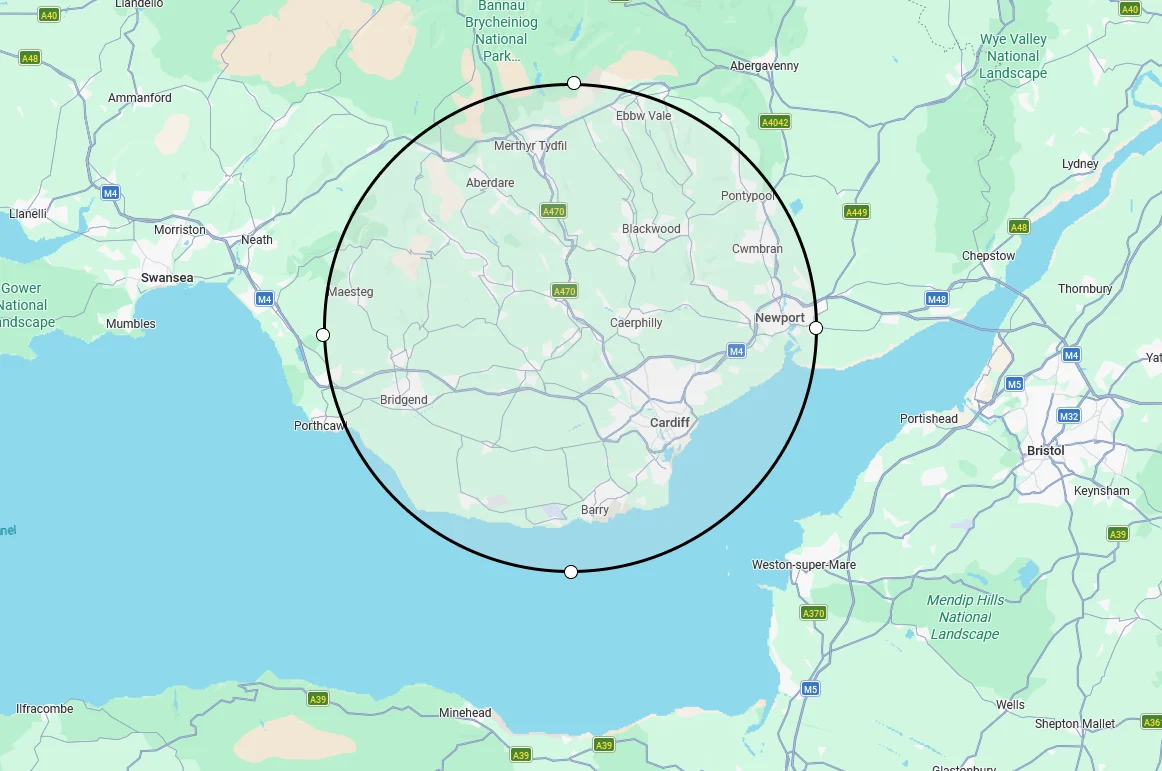
Office Location:
376 Newport Road
Cardiff
CF23 9AE
The content on this website is owned by us and our licensors. Do not copy the content (including images) without our consent.
MPH INSTALLATIONS LTD (MPH PLUMBING & HEATING) is an Introducer Appointed Representative (Financial Services Register No. 916214) of Phoenix Financial Consultants Limited (Phoenix). Phoenix is a credit broker, not a lender. Phoenix is authorised and regulated by the Financial Conduct Authority (FRN: 539195), and offers finance from its panel of lenders. All finance subject to status and credit checks.

Powered by We Build Trades © 2026
Amout of credit
£0.00
Monthly
£0.00
Total payable
£0.00
Interest (fixed)
£0.00
APR
-