

Understanding Boiler Replacement Costs vs Repairs
Unsure whether to repair or replace your boiler? Here’s a quick, clear comparison to help you make the most cost-effective decision.

Why you can trust our content
We understand that the boiler industry can be confusing, with plenty of outdated or misleading information. That’s why we rely only on trusted, proven sources to guide our advice and installations:


At a glance
Boilers are one of the most important systems in any home, providing heating and hot water throughout the year. When something goes wrong, homeowners often face a difficult decision – should the boiler be repaired or replaced entirely?
Both options have advantages depending on the condition of the system, the age of the boiler, and the cost of repairs. Understanding the financial and practical differences can help homeowners make a confident and informed decision.
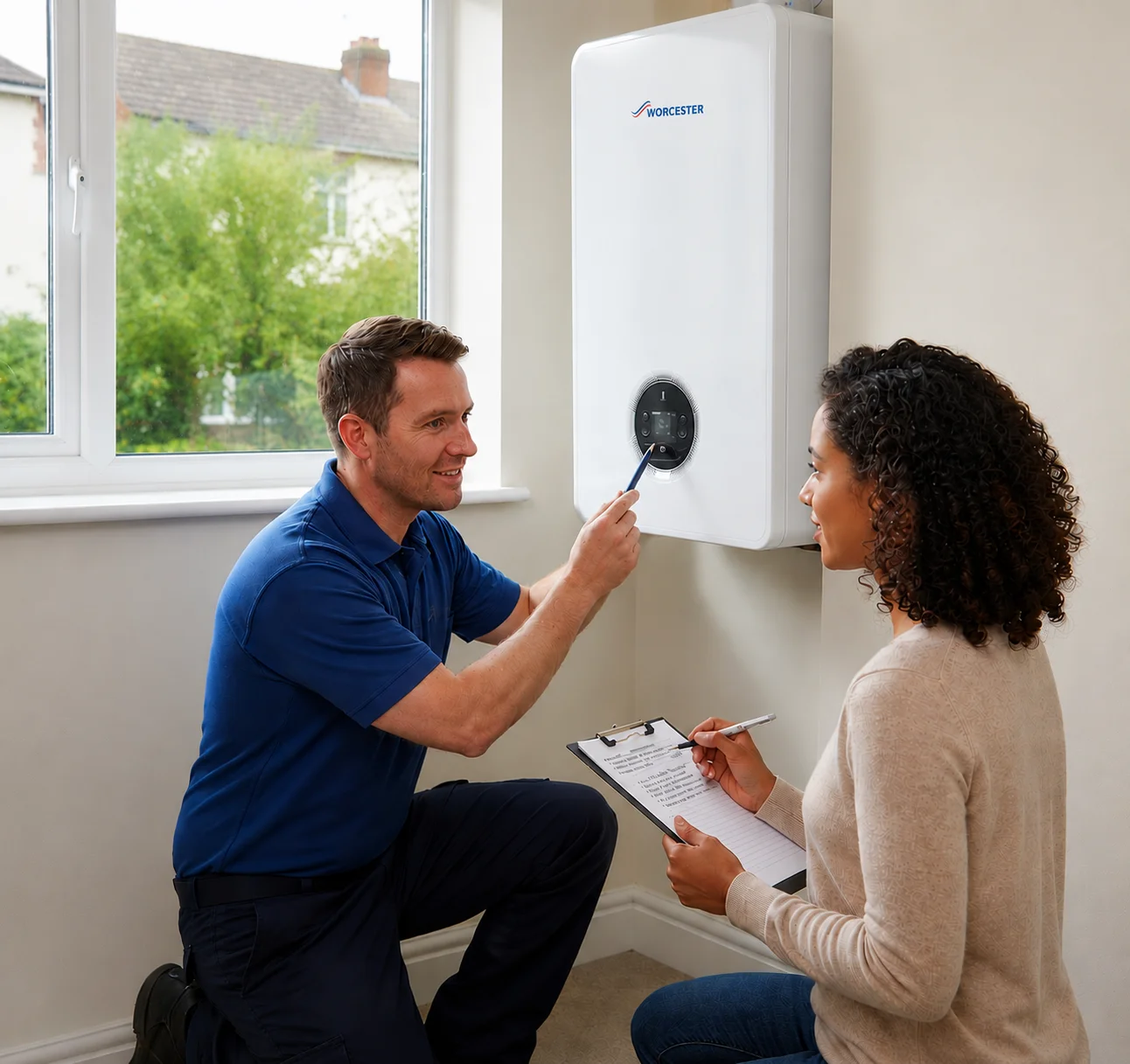
If you would like professional guidance on the condition of your heating system, you can contact the team at MPH Trades for an expert boiler assessment.
When should you repair a boiler instead of replacing it?
Not every boiler problem requires a full replacement. Many issues can be resolved quickly and cost-effectively with professional repairs.
Repairs are often the best option when:
- The boiler is relatively new
- The fault is minor or easily repairable
- Replacement parts are readily available
- The system has been serviced regularly
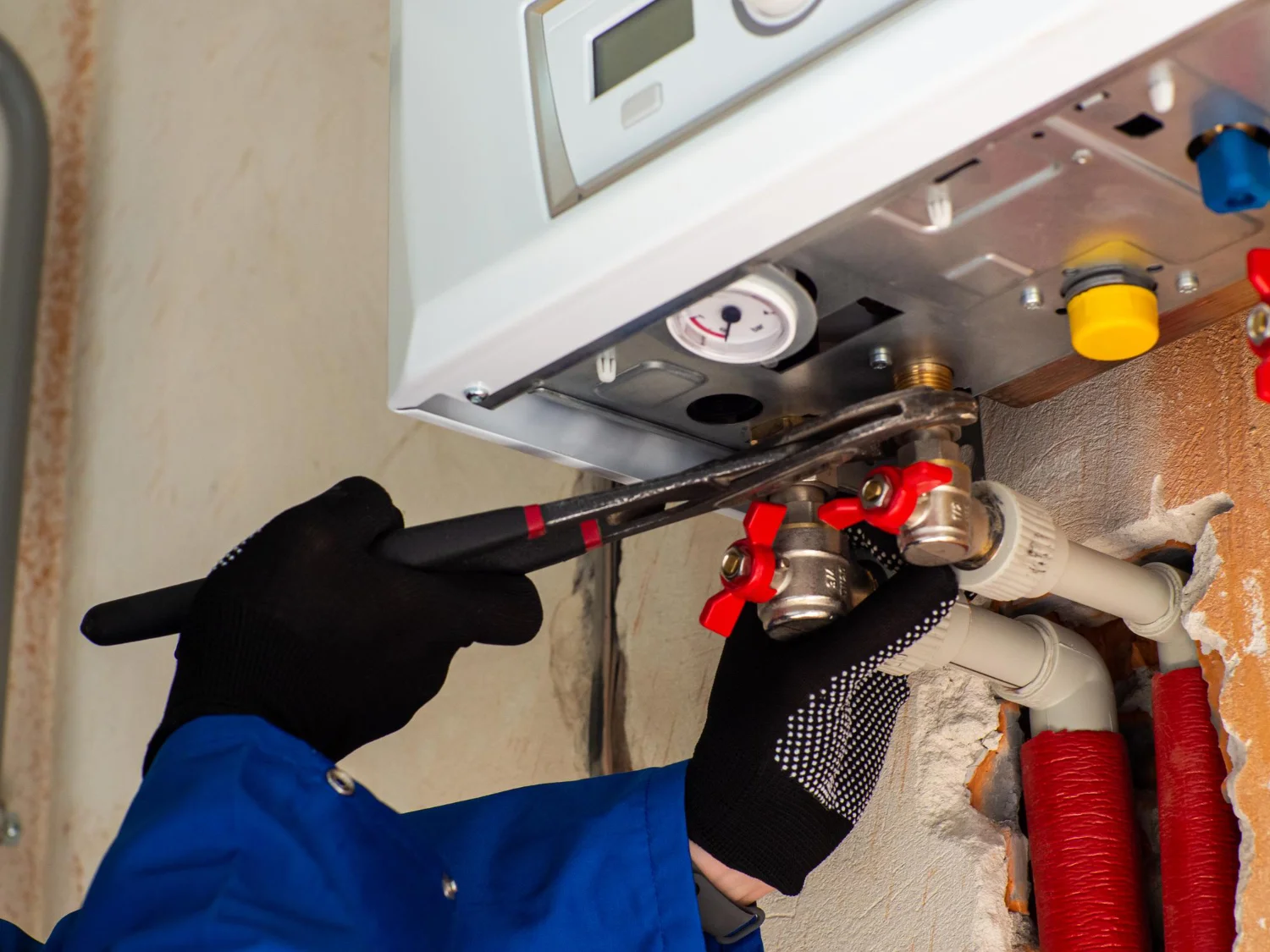
For example, issues involving thermostats, valves, or pressure controls are often straightforward to fix. In these cases, the boiler repair cost may be significantly lower than installing a new system.
However, it is always important to consider the long-term reliability of the boiler before committing to repeated repairs.
How do you know when a boiler needs replacing?
Over time, boilers gradually lose efficiency and reliability. If a system is approaching the end of its lifespan, replacing it may be the more practical option.
Homeowners may begin considering replacement if they notice:
- Frequent breakdowns
- Rising energy bills
- Reduced heating performance
- Difficulty sourcing replacement parts
- The boiler is more than 10–15 years old
At this stage, many people start researching the boiler replacement cost to understand whether upgrading the system would be a better long-term investment.
Modern boilers are typically more efficient and can help reduce energy usage while improving heating performance across the home.
How much does repairing a boiler usually cost?
Repair costs can vary depending on the nature of the fault, the required parts, and the labour involved.
Some repairs may be relatively simple, such as replacing a valve or thermostat. Others may involve more complex components within the boiler itself.
Below is a general comparison of common repair scenarios.
| Boiler Issue | Typical Repair Type | Relative Cost Level |
| Pressure loss | Valve or seal repair | Low |
| Thermostat fault | Control replacement | Low to moderate |
| Pump failure | Pump replacement | Moderate |
| Heat exchanger problem | Component replacement | Higher |
Although many faults are manageable, repeated issues can gradually increase the total boiler repair cost over time.
Let’s get started, Which fuel powers your boiler?
Mains Gas
LPG
It just takes 60 Sec
And then you can book a free consultation
What factors affect the cost of replacing a boiler?
The price of installing a new boiler depends on several key factors. Every property has slightly different heating requirements, which means installation costs can vary.
Important factors include:
- Boiler type and efficiency rating
- Property size and heating demand
- Pipework adjustments required
- Additional system upgrades
- Installation labour
Because each property is unique, the cost of new gas boiler installation often varies depending on the complexity of the work involved.
Professional engineers can assess the current heating system and recommend the most suitable replacement options.
Is replacing a boiler more cost-effective long term?
While replacing a boiler requires a larger initial investment, it can sometimes save money over time.
Older systems often become less efficient, meaning they require more energy to produce the same level of heating. Newer boilers are designed to operate more efficiently and may reduce energy consumption.
Homeowners often consider replacement when:
- Repairs are becoming frequent
- Efficiency has dropped significantly
- Heating performance is inconsistent
- The boiler is approaching the end of its lifespan
In these situations, the boiler replacement cost may be justified by improved reliability and lower long-term operating expenses.
If you are unsure which option is best, the engineers at MPH Trades can provide an honest assessment of your system.
Comparing repairs and replacement
The decision between repairing and replacing a boiler often depends on both short-term and long-term costs.
| Factor | Repairing the Boiler | Replacing the Boiler |
| Initial expense | Lower | Higher |
| Reliability | Depends on boiler condition | Generally improved |
| Energy efficiency | May remain unchanged | Usually improved |
| Future repair risk | Higher for older systems | Lower initially |
Many homeowners compare the long-term value of repairs with the potential boiler replacement cost before making a final decision.
An experienced engineer can help evaluate the condition of the existing boiler and explain whether repairs are still worthwhile.
Example scenario: a typical Cardiff property
Consider a homeowner in Cardiff whose boiler is around 12 years old. The system has recently required several repairs, including a pump replacement and pressure valve fix.
Although each repair was manageable individually, the homeowner begins to question whether further problems may appear in the near future.
After an inspection, an engineer explains that while another repair is possible, the boiler is approaching the end of its expected lifespan. In this situation, replacing the boiler may provide better long-term reliability and efficiency.
This type of situation is common when boilers begin to show repeated signs of wear.
How can professional advice help?
Choosing between repairs and replacement is not always straightforward. Many factors influence the decision, including system condition, household heating demand, and long-term cost considerations.
Professional engineers can assess:
- The age and efficiency of the current boiler
- Whether repairs are likely to resolve the issue permanently
- The potential benefits of upgrading to a modern system
This balanced assessment helps homeowners make a confident choice without unnecessary pressure.
Frequently Asked Questions
How long does a typical boiler last?
Most boilers last between 10 and 15 years with proper maintenance. After this period, efficiency may decline and repair needs may increase.
Is repairing a boiler cheaper than replacing it?
Repairs are usually cheaper initially, but repeated repairs over time may eventually exceed the cost of replacing the system.
Do new boilers improve energy efficiency?
Yes. Modern boilers are generally designed to operate more efficiently, which may help reduce household energy usage.
How do I know if my boiler should be replaced?
Frequent breakdowns, rising energy bills, and reduced heating performance are common signs that replacement may be the best option.
Making the right decision for your home
Deciding whether to repair or replace a boiler depends on several factors, including the age of the system, the frequency of breakdowns, and the overall cost of repairs.
While repairs may be suitable for newer boilers with minor faults, older systems often benefit from replacement once reliability begins to decline.
Understanding the potential long-term costs and efficiency improvements can help homeowners choose the most practical solution.
If you would like expert guidance, the experienced team at MPH Trades can assess your heating system and recommend the most suitable option for your home.
Related articles
Let’s get started, Which fuel powers your boiler?
Mains Gas
LPG
At a glance
Boilers are one of the most important systems in any home, providing heating and hot water throughout the year. When something goes wrong, homeowners often face a difficult decision – should the boiler be repaired or replaced entirely?
Both options have advantages depending on the condition of the system, the age of the boiler, and the cost of repairs. Understanding the financial and practical differences can help homeowners make a confident and informed decision.
If you would like professional guidance on the condition of your heating system, you can contact the team at MPH Trades for an expert boiler assessment.
When should you repair a boiler instead of replacing it?
Not every boiler problem requires a full replacement. Many issues can be resolved quickly and cost-effectively with professional repairs.
Repairs are often the best option when:
- The boiler is relatively new
- The fault is minor or easily repairable
- Replacement parts are readily available
- The system has been serviced regularly
For example, issues involving thermostats, valves, or pressure controls are often straightforward to fix. In these cases, the boiler repair cost may be significantly lower than installing a new system.
However, it is always important to consider the long-term reliability of the boiler before committing to repeated repairs.
How do you know when a boiler needs replacing?
Over time, boilers gradually lose efficiency and reliability. If a system is approaching the end of its lifespan, replacing it may be the more practical option.
Homeowners may begin considering replacement if they notice:
- Frequent breakdowns
- Rising energy bills
- Reduced heating performance
- Difficulty sourcing replacement parts
- The boiler is more than 10–15 years old
At this stage, many people start researching the boiler replacement cost to understand whether upgrading the system would be a better long-term investment.
Modern boilers are typically more efficient and can help reduce energy usage while improving heating performance across the home.
How much does repairing a boiler usually cost?
Repair costs can vary depending on the nature of the fault, the required parts, and the labour involved.
Some repairs may be relatively simple, such as replacing a valve or thermostat. Others may involve more complex components within the boiler itself.
Below is a general comparison of common repair scenarios.
| Boiler Issue | Typical Repair Type | Relative Cost Level |
| Pressure loss | Valve or seal repair | Low |
| Thermostat fault | Control replacement | Low to moderate |
| Pump failure | Pump replacement | Moderate |
| Heat exchanger problem | Component replacement | Higher |
Although many faults are manageable, repeated issues can gradually increase the total boiler repair cost over time.
Let’s get started, Which fuel powers your boiler?
Mains Gas
LPG
It just takes 60 Sec
And then you can book a free consultation
What factors affect the cost of replacing a boiler?
The price of installing a new boiler depends on several key factors. Every property has slightly different heating requirements, which means installation costs can vary.
Important factors include:
- Boiler type and efficiency rating
- Property size and heating demand
- Pipework adjustments required
- Additional system upgrades
- Installation labour
Because each property is unique, the cost of new gas boiler installation often varies depending on the complexity of the work involved.
Professional engineers can assess the current heating system and recommend the most suitable replacement options.
Is replacing a boiler more cost-effective long term?
While replacing a boiler requires a larger initial investment, it can sometimes save money over time.
Older systems often become less efficient, meaning they require more energy to produce the same level of heating. Newer boilers are designed to operate more efficiently and may reduce energy consumption.
Homeowners often consider replacement when:
- Repairs are becoming frequent
- Efficiency has dropped significantly
- Heating performance is inconsistent
- The boiler is approaching the end of its lifespan
In these situations, the boiler replacement cost may be justified by improved reliability and lower long-term operating expenses.
If you are unsure which option is best, the engineers at MPH Trades can provide an honest assessment of your system.
Comparing repairs and replacement
The decision between repairing and replacing a boiler often depends on both short-term and long-term costs.
| Factor | Repairing the Boiler | Replacing the Boiler |
| Initial expense | Lower | Higher |
| Reliability | Depends on boiler condition | Generally improved |
| Energy efficiency | May remain unchanged | Usually improved |
| Future repair risk | Higher for older systems | Lower initially |
Many homeowners compare the long-term value of repairs with the potential boiler replacement cost before making a final decision.
An experienced engineer can help evaluate the condition of the existing boiler and explain whether repairs are still worthwhile.
Example scenario: a typical Cardiff property
Consider a homeowner in Cardiff whose boiler is around 12 years old. The system has recently required several repairs, including a pump replacement and pressure valve fix.
Although each repair was manageable individually, the homeowner begins to question whether further problems may appear in the near future.
After an inspection, an engineer explains that while another repair is possible, the boiler is approaching the end of its expected lifespan. In this situation, replacing the boiler may provide better long-term reliability and efficiency.
This type of situation is common when boilers begin to show repeated signs of wear.
How can professional advice help?
Choosing between repairs and replacement is not always straightforward. Many factors influence the decision, including system condition, household heating demand, and long-term cost considerations.
Professional engineers can assess:
- The age and efficiency of the current boiler
- Whether repairs are likely to resolve the issue permanently
- The potential benefits of upgrading to a modern system
This balanced assessment helps homeowners make a confident choice without unnecessary pressure.
Frequently Asked Questions
How long does a typical boiler last?
Most boilers last between 10 and 15 years with proper maintenance. After this period, efficiency may decline and repair needs may increase.
Is repairing a boiler cheaper than replacing it?
Repairs are usually cheaper initially, but repeated repairs over time may eventually exceed the cost of replacing the system.
Do new boilers improve energy efficiency?
Yes. Modern boilers are generally designed to operate more efficiently, which may help reduce household energy usage.
How do I know if my boiler should be replaced?
Frequent breakdowns, rising energy bills, and reduced heating performance are common signs that replacement may be the best option.
Making the right decision for your home
Deciding whether to repair or replace a boiler depends on several factors, including the age of the system, the frequency of breakdowns, and the overall cost of repairs.
While repairs may be suitable for newer boilers with minor faults, older systems often benefit from replacement once reliability begins to decline.
Understanding the potential long-term costs and efficiency improvements can help homeowners choose the most practical solution.
If you would like expert guidance, the experienced team at MPH Trades can assess your heating system and recommend the most suitable option for your home.
Related articles
Address
Office Location:
376 Newport Road
Cardiff
CF23 9AE
The content on this website is owned by us and our licensors. Do not copy the content (including images) without our consent.
MPH INSTALLATIONS LTD (MPH PLUMBING & HEATING) is an Introducer Appointed Representative (Financial Services Register No. 916214) of Phoenix Financial Consultants Limited (Phoenix). Phoenix is a credit broker, not a lender. Phoenix is authorised and regulated by the Financial Conduct Authority (FRN: 539195), and offers finance from its panel of lenders. All finance subject to status and credit checks.

Powered by We Build Trades © 2026
Amout of credit
£0.00
Monthly
£0.00
Total payable
£0.00
Interest (fixed)
£0.00
APR
-