

Cost for New Boiler Installation: Radiators, Controls and Pipework Compatibility
The true cost of a new boiler installation depends on the boiler, radiators, controls, pipework and how well the entire heating system works together.

Why you can trust our content
We understand that the boiler industry can be confusing, with plenty of outdated or misleading information. That’s why we rely only on trusted, proven sources to guide our advice and installations:

At a glance
When planning a replacement boiler, the appliance itself is usually the first thing homeowners think about. However, the finished heating system is made up of several connected components, and each one needs to work properly with the others.
Radiators, heating controls, pipework, the flue and the existing heating system can all affect the installation. In some properties, the boiler can be replaced with minimal changes. In others, upgrades or alterations may be necessary to achieve reliable performance.
Understanding these factors can make the cost for new boiler installation easier to assess and can help homeowners understand why two apparently similar quotations may differ.
Why is boiler compatibility important?
A boiler does not operate independently. It relies on the rest of the heating system to distribute heat and respond to demand.
A replacement installation should therefore consider:
- Boiler output
- Radiator capacity
- Heating controls
- Pipework
- Gas supply
- Flue arrangements
- Condensate drainage
- System pressure
- Hot water requirements
If one part of the system is unsuitable, the new boiler may not deliver the expected improvement.
For example, installing a modern boiler alongside inadequate radiators may leave certain rooms colder than expected. Similarly, outdated controls may limit how effectively the system responds to changing temperatures.
Can existing radiators be used with a new boiler?
Often, yes.
A boiler replacement does not automatically mean that every radiator needs to be replaced. Existing radiators can remain if they are appropriately sized, in reasonable condition and compatible with the intended system operating conditions.
However, radiator output should be considered against the heat loss of each room.
A useful assessment may identify three possibilities:
| Radiator assessment | Possible outcome |
| Correctly sized and in good condition | Keep existing radiator |
| Suitable but requires servicing or balancing | Retain with adjustments |
| Too small for room heat loss | Consider upgrading |
| Poor condition or internally restricted | Repair or replacement may be appropriate |
| Incorrectly controlled | Review valves or heating controls |
This targeted approach can prevent homeowners from paying for unnecessary replacements.
How do radiators affect the cost of installation?
Radiators can influence the quotation if the heating system needs improvement.
If several radiators are undersized, a heating engineer may recommend upgrading them. The additional equipment and labour will increase the initial price, but it may provide a more effective heating system.
On the other hand, if the existing radiators are suitable, retaining them can reduce unnecessary expenditure.
The important point is that radiator work should be based on assessment rather than a blanket recommendation.
When reviewing the cost for new boiler installation, ask whether radiator suitability has been checked and whether any proposed upgrades are essential or optional.
Let’s get started, Which fuel powers your boiler?
Mains Gas
LPG
It just takes 60 Sec
And then you can book a free consultation
What role do heating controls play?
Controls determine how the boiler responds to heating demand.
A modern system may use a room thermostat alongside thermostatic radiator valves and, depending on the installation, more advanced control technology.
Good controls can help homeowners:
- Set accurate room temperatures
- Avoid unnecessary heating
- Manage different rooms more effectively
- Reduce overheating
- Adjust heating schedules
- Make better use of the boiler’s modulation capabilities
The control strategy should suit the boiler and the property.
A quotation that includes better controls may initially appear more expensive than a basic replacement, but the systems are not necessarily equivalent.
If you are comparing quotations and want to understand whether the proposed controls and components are suitable for your home, contact MPH Trades for straightforward, property-specific advice.
Can old pipework affect a new boiler?
Yes.
Existing pipework may be perfectly suitable, but its condition, size and configuration should be considered before installation.
The installer may need to assess both gas and heating pipework. The gas supply must be appropriate for the appliance, while heating pipework needs to support effective circulation.
Older systems can also contain sludge or debris that affects circulation and heat transfer.
Possible pipework-related considerations include:
- Pipe diameter
- Condition
- Existing connections
- Route and accessibility
- Compatibility with the new boiler
- Gas supply requirements
- Heating system circulation
Not every installation requires extensive pipework changes. The correct approach is to inspect the system and identify what is genuinely required.
Does the boiler type affect compatibility?
Yes.
Different heating systems have different requirements.
A combi boiler provides heating and hot water directly from the mains. A system boiler generally works with a separate hot water cylinder, while a regular boiler operates as part of a system involving a hot water cylinder and usually a cold water storage arrangement.
The existing system can therefore influence which replacement options are practical.
Household hot water demand is also important. A combi may be suitable for a property with moderate demand and appropriate mains water flow, while a cylinder-based system may be more suitable for homes with significant simultaneous hot water use.
What can increase the cost of a new gas boiler installation?
The cost of a new gas boiler installation can vary depending on how straightforward the replacement is.
Factors that may increase the quotation include:
- Boiler relocation
- New flue arrangements
- Pipework alterations
- Additional controls
- Radiator upgrades
- System cleaning
- Difficult access
- Condensate pipe changes
- Changes to the heating system
- Additional commissioning requirements
A like-for-like replacement in the same location may involve less work than moving the boiler to another part of the property.
This is why an installer should assess the property before providing a firm quotation.
Does moving a boiler make installation more expensive?
Usually, yes, because relocation involves more than disconnecting and reconnecting the appliance.
The new location must be suitable, accessible and compatible with the flue and condensate arrangements. Gas, heating and electrical connections may also need to be altered.
There can also be practical considerations around servicing access and future maintenance.
If relocation is being considered, homeowners should ask for the quotation to clearly separate the standard boiler replacement from relocation-related work.
Can controls and pipework make one quote more expensive than another?
Absolutely.
Imagine two installers propose the same boiler model. One quotation includes basic controls and minimal pipework alterations. The other includes upgraded controls, replacement sections of pipework and system preparation.
The second quotation may be higher, but it is not necessarily more expensive for the same service. It includes a broader scope of work.
This is why homeowners should compare quotations line by line rather than focusing only on the final number.
What should be included in a detailed boiler quotation?
A clear quotation should explain the proposed work and identify the main components being supplied.
Look for:
- Exact boiler model
- Boiler output
- Controls
- Flue arrangements
- Pipework work
- Radiator work, if required
- System preparation
- Removal of the old appliance
- Commissioning
- Warranty information
- Any exclusions
- Potential additional charges
This level of detail makes it easier to understand the cost of new gas boiler installation and compare it fairly with other proposals.
How does system preparation affect the final result?
A replacement boiler can only perform properly if the wider system is in reasonable condition.
Where appropriate, system preparation may include cleaning, checking pressure, inspecting components and protecting the new appliance from contamination.
This is particularly relevant when replacing an older boiler that has operated for many years.
A heating engineer may recommend a system filter or other protection measures depending on the installation.
These measures can add to the initial quotation, but they may be important for protecting the new appliance and maintaining system performance.
A typical Cardiff home example
Consider a three-bedroom Cardiff semi-detached property with an ageing boiler located in the kitchen.
The homeowner expects a straightforward replacement, but an assessment identifies that the boiler can remain in its current location while two radiators are undersized. The existing controls are also outdated, although much of the pipework is suitable.
Instead of replacing everything, the installation can focus on the components that actually require improvement. The boiler is replaced, selected radiators are upgraded, and suitable controls are installed while compatible pipework is retained.
This approach can provide a better balance between installation cost and system performance.
If your existing heating system is several years old, speak to MPH Trades before assuming that everything needs replacing. A proper assessment can help identify which components are suitable to retain and which may need attention.
How can you keep unnecessary installation costs under control?
The best way is not necessarily to choose the cheapest equipment. It is to avoid paying for work that does not solve a genuine problem.
Ask your installer:
- Are my current radiators suitable?
- Does the pipework need changing?
- Why are these controls recommended?
- Is boiler relocation necessary?
- Has the boiler been correctly sized?
- Which additional work is essential?
- Which upgrades are optional?
- What is included in the quoted price?
Clear explanations allow you to make decisions based on the condition and requirements of your heating system.
Get the Right Boiler and System for Your Home
The cost for new boiler installation is not simply the price of the boiler. A reliable heating system depends on compatibility between the boiler, radiators, controls and pipework.
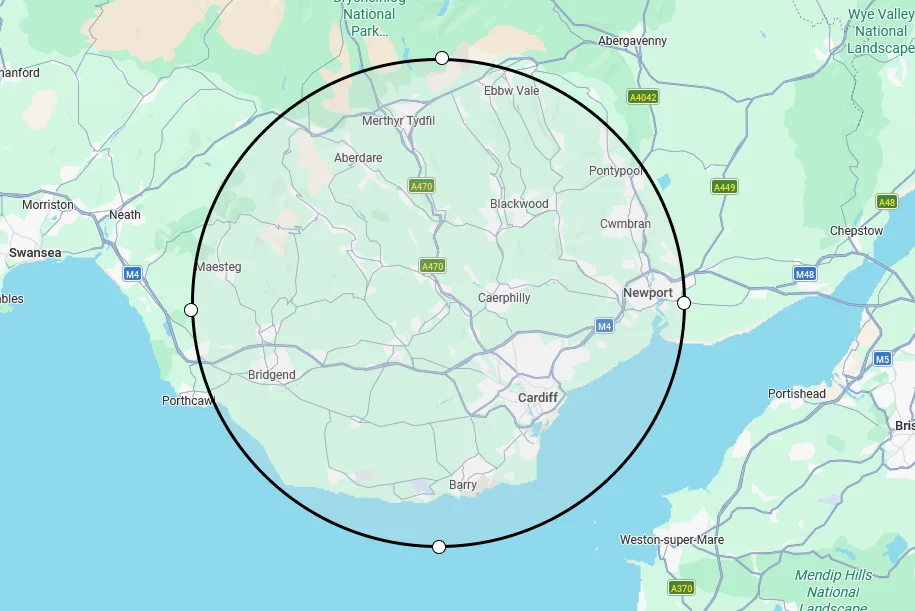
For Cardiff homeowners, assessing these components before installation can help prevent unnecessary upgrades while ensuring genuine weaknesses are addressed.
If you are planning a boiler replacement, contact MPH Trades for tailored advice and a bespoke quotation. Our team can assess the wider heating system and explain which improvements are appropriate for your property.
A carefully planned installation should provide more than a new appliance. It should create a heating system where each component works together properly, giving homeowners confidence in both comfort and long-term performance.
Related articles
Let’s get started, Which fuel powers your boiler?
Mains Gas
LPG
At a glance
When planning a replacement boiler, the appliance itself is usually the first thing homeowners think about. However, the finished heating system is made up of several connected components, and each one needs to work properly with the others.
Radiators, heating controls, pipework, the flue and the existing heating system can all affect the installation. In some properties, the boiler can be replaced with minimal changes. In others, upgrades or alterations may be necessary to achieve reliable performance.
Understanding these factors can make the cost for new boiler installation easier to assess and can help homeowners understand why two apparently similar quotations may differ.
Why is boiler compatibility important?
A boiler does not operate independently. It relies on the rest of the heating system to distribute heat and respond to demand.
A replacement installation should therefore consider:
- Boiler output
- Radiator capacity
- Heating controls
- Pipework
- Gas supply
- Flue arrangements
- Condensate drainage
- System pressure
- Hot water requirements
If one part of the system is unsuitable, the new boiler may not deliver the expected improvement.
For example, installing a modern boiler alongside inadequate radiators may leave certain rooms colder than expected. Similarly, outdated controls may limit how effectively the system responds to changing temperatures.
Can existing radiators be used with a new boiler?
Often, yes.
A boiler replacement does not automatically mean that every radiator needs to be replaced. Existing radiators can remain if they are appropriately sized, in reasonable condition and compatible with the intended system operating conditions.
However, radiator output should be considered against the heat loss of each room.
A useful assessment may identify three possibilities:
| Radiator assessment | Possible outcome |
| Correctly sized and in good condition | Keep existing radiator |
| Suitable but requires servicing or balancing | Retain with adjustments |
| Too small for room heat loss | Consider upgrading |
| Poor condition or internally restricted | Repair or replacement may be appropriate |
| Incorrectly controlled | Review valves or heating controls |
This targeted approach can prevent homeowners from paying for unnecessary replacements.
How do radiators affect the cost of installation?
Radiators can influence the quotation if the heating system needs improvement.
If several radiators are undersized, a heating engineer may recommend upgrading them. The additional equipment and labour will increase the initial price, but it may provide a more effective heating system.
On the other hand, if the existing radiators are suitable, retaining them can reduce unnecessary expenditure.
The important point is that radiator work should be based on assessment rather than a blanket recommendation.
When reviewing the cost for new boiler installation, ask whether radiator suitability has been checked and whether any proposed upgrades are essential or optional.
Let’s get started, Which fuel powers your boiler?
Mains Gas
LPG
It just takes 60 Sec
And then you can book a free consultation
What role do heating controls play?
Controls determine how the boiler responds to heating demand.
A modern system may use a room thermostat alongside thermostatic radiator valves and, depending on the installation, more advanced control technology.
Good controls can help homeowners:
- Set accurate room temperatures
- Avoid unnecessary heating
- Manage different rooms more effectively
- Reduce overheating
- Adjust heating schedules
- Make better use of the boiler’s modulation capabilities
The control strategy should suit the boiler and the property.
A quotation that includes better controls may initially appear more expensive than a basic replacement, but the systems are not necessarily equivalent.
If you are comparing quotations and want to understand whether the proposed controls and components are suitable for your home, contact MPH Trades for straightforward, property-specific advice.
Can old pipework affect a new boiler?
Yes.
Existing pipework may be perfectly suitable, but its condition, size and configuration should be considered before installation.
The installer may need to assess both gas and heating pipework. The gas supply must be appropriate for the appliance, while heating pipework needs to support effective circulation.
Older systems can also contain sludge or debris that affects circulation and heat transfer.
Possible pipework-related considerations include:
- Pipe diameter
- Condition
- Existing connections
- Route and accessibility
- Compatibility with the new boiler
- Gas supply requirements
- Heating system circulation
Not every installation requires extensive pipework changes. The correct approach is to inspect the system and identify what is genuinely required.
Does the boiler type affect compatibility?
Yes.
Different heating systems have different requirements.
A combi boiler provides heating and hot water directly from the mains. A system boiler generally works with a separate hot water cylinder, while a regular boiler operates as part of a system involving a hot water cylinder and usually a cold water storage arrangement.
The existing system can therefore influence which replacement options are practical.
Household hot water demand is also important. A combi may be suitable for a property with moderate demand and appropriate mains water flow, while a cylinder-based system may be more suitable for homes with significant simultaneous hot water use.
What can increase the cost of a new gas boiler installation?
The cost of a new gas boiler installation can vary depending on how straightforward the replacement is.
Factors that may increase the quotation include:
- Boiler relocation
- New flue arrangements
- Pipework alterations
- Additional controls
- Radiator upgrades
- System cleaning
- Difficult access
- Condensate pipe changes
- Changes to the heating system
- Additional commissioning requirements
A like-for-like replacement in the same location may involve less work than moving the boiler to another part of the property.
This is why an installer should assess the property before providing a firm quotation.
Does moving a boiler make installation more expensive?
Usually, yes, because relocation involves more than disconnecting and reconnecting the appliance.
The new location must be suitable, accessible and compatible with the flue and condensate arrangements. Gas, heating and electrical connections may also need to be altered.
There can also be practical considerations around servicing access and future maintenance.
If relocation is being considered, homeowners should ask for the quotation to clearly separate the standard boiler replacement from relocation-related work.
Can controls and pipework make one quote more expensive than another?
Absolutely.
Imagine two installers propose the same boiler model. One quotation includes basic controls and minimal pipework alterations. The other includes upgraded controls, replacement sections of pipework and system preparation.
The second quotation may be higher, but it is not necessarily more expensive for the same service. It includes a broader scope of work.
This is why homeowners should compare quotations line by line rather than focusing only on the final number.
What should be included in a detailed boiler quotation?
A clear quotation should explain the proposed work and identify the main components being supplied.
Look for:
- Exact boiler model
- Boiler output
- Controls
- Flue arrangements
- Pipework work
- Radiator work, if required
- System preparation
- Removal of the old appliance
- Commissioning
- Warranty information
- Any exclusions
- Potential additional charges
This level of detail makes it easier to understand the cost of new gas boiler installation and compare it fairly with other proposals.
How does system preparation affect the final result?
A replacement boiler can only perform properly if the wider system is in reasonable condition.
Where appropriate, system preparation may include cleaning, checking pressure, inspecting components and protecting the new appliance from contamination.
This is particularly relevant when replacing an older boiler that has operated for many years.
A heating engineer may recommend a system filter or other protection measures depending on the installation.
These measures can add to the initial quotation, but they may be important for protecting the new appliance and maintaining system performance.
A typical Cardiff home example
Consider a three-bedroom Cardiff semi-detached property with an ageing boiler located in the kitchen.
The homeowner expects a straightforward replacement, but an assessment identifies that the boiler can remain in its current location while two radiators are undersized. The existing controls are also outdated, although much of the pipework is suitable.
Instead of replacing everything, the installation can focus on the components that actually require improvement. The boiler is replaced, selected radiators are upgraded, and suitable controls are installed while compatible pipework is retained.
This approach can provide a better balance between installation cost and system performance.
If your existing heating system is several years old, speak to MPH Trades before assuming that everything needs replacing. A proper assessment can help identify which components are suitable to retain and which may need attention.
How can you keep unnecessary installation costs under control?
The best way is not necessarily to choose the cheapest equipment. It is to avoid paying for work that does not solve a genuine problem.
Ask your installer:
- Are my current radiators suitable?
- Does the pipework need changing?
- Why are these controls recommended?
- Is boiler relocation necessary?
- Has the boiler been correctly sized?
- Which additional work is essential?
- Which upgrades are optional?
- What is included in the quoted price?
Clear explanations allow you to make decisions based on the condition and requirements of your heating system.
Get the Right Boiler and System for Your Home
The cost for new boiler installation is not simply the price of the boiler. A reliable heating system depends on compatibility between the boiler, radiators, controls and pipework.
For Cardiff homeowners, assessing these components before installation can help prevent unnecessary upgrades while ensuring genuine weaknesses are addressed.
If you are planning a boiler replacement, contact MPH Trades for tailored advice and a bespoke quotation. Our team can assess the wider heating system and explain which improvements are appropriate for your property.
A carefully planned installation should provide more than a new appliance. It should create a heating system where each component works together properly, giving homeowners confidence in both comfort and long-term performance.
Related articles
Address
Office Location:
376 Newport Road
Cardiff
CF23 9AE
The content on this website is owned by us and our licensors. Do not copy the content (including images) without our consent.
MPH INSTALLATIONS LTD (MPH PLUMBING & HEATING) is an Introducer Appointed Representative (Financial Services Register No. 916214) of Phoenix Financial Consultants Limited (Phoenix). Phoenix is a credit broker, not a lender. Phoenix is authorised and regulated by the Financial Conduct Authority (FRN: 539195), and offers finance from its panel of lenders. All finance subject to status and credit checks.

Powered by We Build Trades © 2026
Amout of credit
£0.00
Monthly
£0.00
Total payable
£0.00
Interest (fixed)
£0.00
APR
-